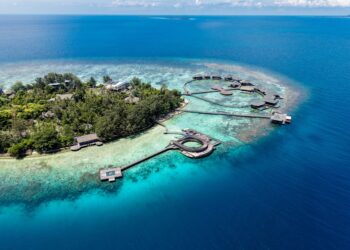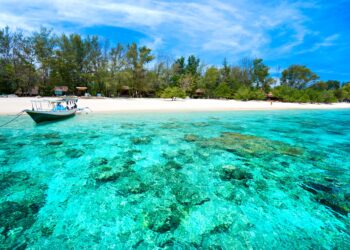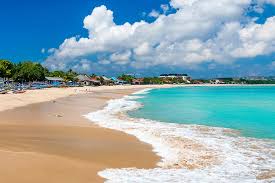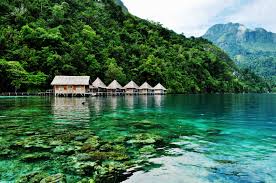

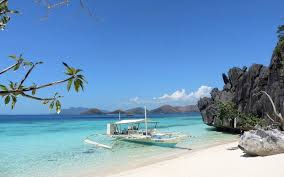
Banol Beach is a small and quiet seafront on the northwest side of Coron Island in Palawan, Philippines. It is located within the Calamian Islands with the beach about 100 meters long, with soft white coral sand creating a calm cove that opens to the Sulu Sea. The water near the shore is clear and shallow, safe for swimming, but not very deep. Behind the sand, tall limestone cliffs rise, covered with dense tropical vegetation, giving the place the dramatic karst appearance typical of Palawan.
The beach is part of Coron municipality and is managed by the local tourism office together with the DENR, which sets rules for visitor numbers, protects the marine environment, and handles waste in the Coron Island Protected Area. Most visitors come as part of island-hopping tours from Coron town or El Nido. Snorkelers, divers, and people looking for a quiet spot often stop here instead of crowded places like Kayangan Lake or Twin Lagoon. Boats from Coron town take around 30 to 45 minutes to reach the beach. Facilities are very limited, helping to keep Banol in its natural and undeveloped state.
Fun Fact About Banol Beach
Banol Beach became known when it was used for filming the Philippine reality show “Survivor Philippines” in 2011. The cliffs around the beach and the small cove made it a dramatic place for the challenges. The word “Banol”, comes from the Tagbanua language, meaning “small” because the beach itself is not very big, but the tall limestone cliffs make it feel enclosed like a natural amphitheater.
Things to Do at Banol Beach
Activities at Banol Beach are generally simple and connected to the surrounding natural setting. Visitors often spend time swimming in the shallow and calm waters of the cove, which remain mostly protected from strong currents because of nearby reefs. Snorkeling is possible near the rocky edges and small reef areas, especially during the dry months from December to April, and basic equipment is usually arranged by tour operators.
Many people prefer to relax on the quiet stretch of sand, using the shade provided naturally by limestone cliffs and a few palm trees. Short walks can also be taken along the base of the cliffs or through nearby vegetation leading to small viewpoints facing the Sulu Sea. Picnics are quite common, as meals are often included in island-hopping schedules. During low tide, it is sometimes possible to spot reef fish or even sea turtles close to the shore. The curved shoreline and steep karst formations also make the beach suitable for photography, particularly in softer daylight.
Reaching Banol Beach
Banol Beach is not visited on its own and is usually included within organized island-hopping programs starting from Coron town. Travelers from Manila generally fly to Busuanga Airport, a flight of around one hour. From the airport, Coron town is reached by tricycle, taking about thirty minutes, and the fare is commonly close to ₱150. Boats leaving from Coron reach Banol Beach in approximately thirty to forty-five minutes, as part of shared tours that also stop at other nearby sites. The usual cost for these tours ranges from about ₱1,200 to ₱1,500 per person, though prices may vary slightly.
Those arriving from El Nido typically travel by van to Coron town, which takes roughly five to six hours. Van fares are often between ₱500 and ₱700. After reaching Coron, access to Banol Beach follows the same boat arrangements as other visitors. Visitors who do not wish to participate in shared island tours may arrange a private boat directly from Coron town. Charges for these boats are commonly in the range of ₱4,000 to ₱6,000 for a small party, with the final amount varying according to the selected route and length of travel.
Access to the Coron Island area also requires payment of an environmental or conservation charge. This fee is generally ₱200 per visitor and is settled at the local tourism office prior to departure. At times the payment procedure may take longer than expected.
Optimal Periods for Visitation
The months from December through May are generally considered the most suitable time to visit, as rainfall is low and daytime temperatures usually remain between 28 and 32 °C. Sea conditions during this period are mostly calm, which supports swimming and snorkeling activities. Visitor numbers tend to be highest from December to March.
From June until November, the area experiences the wetter season. Rainfall increases and sea conditions can change, yet tourist numbers are noticeably lower.
Practical Recommendations
During the peak season, roughly from December to May, it is advisable to arrange island-hopping tours in advance, as availability can become limited. Visitors are advised to bring an adequate amount of cash in Philippine pesos for entrance charges and minor expenses, as automated teller machines are mostly limited to Coron town and are not always functioning properly. Due to the strong sun exposure throughout much of the day, the use of high-SPF sunblock, along with hats, protective clothing, or rash guards, is strongly recommended, especially during longer stays outdoors. Snorkeling gear is normally included in organized tours; however, any personal equipment should be washed properly beforehand to reduce the risk of introducing foreign marine organisms.
There are no lodging facilities on Banol Beach itself. After completing the visit, most people travel back to Coron town, while some choose accommodation on nearby islands where facilities exist. Environmental rules are applied quite strictly, including bans on touching corals, feeding marine animals, or leaving rubbish behind, and the collected fees are intended mainly for conservation use. Boat departure and return times depend heavily on weather and sea conditions, so it is recommended to reconfirm schedules one day earlier, since changes can happen suddenly and without clear notice.