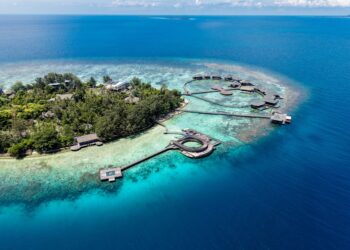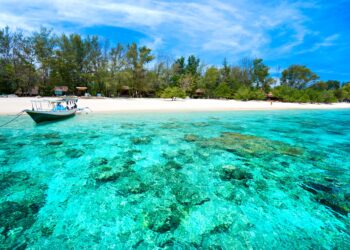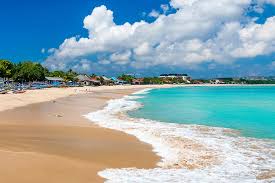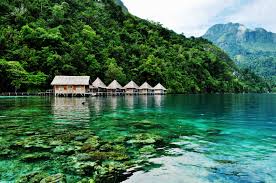

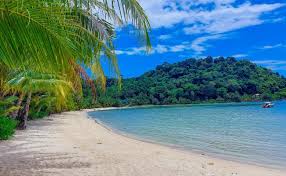
Bang Bao Beach is a quiet coastal spot at the southern end of Koh Chang, Thailand’s second-largest island, in Trat Province, about 315 kilometers southeast of Bangkok. The beach is a small curved bay, roughly 200–300 meters long, with soft golden to light-grey sand, protected by rocky headlands and facing the Gulf of Thailand. The water is generally calm with a gentle slope, so it is fine for swimming, but the main feature of the area is the traditional fishing village on stilts above the water, linked with wooden walkways. Bang Bao is about 15 kilometers south of White Sand Beach, the main part of the island, and it is inside Mu Ko Chang National Park, which is managed by the Department of National Parks, Wildlife and Plant Conservation. The site blends marine protection with small-scale tourism, having a few dive shops, seafood eateries, and simple guesthouses, without any large resorts. People visit for diving, snorkeling, or to have a quiet base to explore the southern reefs and nearby islands, while also seeing the local Thai fishing village way of life in a protected marine setting.
Fun Fact About Bang Bao Beach
Bang Bao Bay still has one of Thailand’s few traditional stilt fishing villages, with houses, small shops, and restaurants built on wooden posts above the water. The village is more than a hundred years old and was first used by fishermen to take shelter during storms. Nowadays, it is like a “floating village” where visitors can walk on the planks and see boats bringing in fresh fish early in the morning.
Things to Do at Bang Bao Beach
Bang Bao Beach provides a variety of activities that combine marine experiences with local culture, suited to the bay setting:
Visitors can swim or relax in the calm, shallow waters in the middle of the bay, which are safe even for families and those not strong in swimming. Snorkeling and diving trips are possible to nearby reefs and islands such as Koh Wai or Koh Rang, where the water is often clear up to 15–20 meters; these trips are usually arranged through local dive shops.
Walking along the wooden planks of the stilt village allows visitors to see traditional fishing life, browse fresh seafood markets, and buy handmade souvenirs. Visitors can take boat trips for fishing or to explore small uninhabited islands inside the national park, with full-day trips usually costing around THB 1,500–3,000 per person.
The overwater restaurants offer freshly grilled seafood, tom yum soup, and pad Thai, with main dishes typically between THB 150 and 400. Many people enjoy watching the sunset from the pier or beach, seeing fishing boats come back against the colorful evening sky.
It is possible to do kayaking or stand-up paddleboarding in the calm waters of the bay, with rental usually around THB 200–500 per hour. A visit to Bang Bao Fisherman Village provides more insight into local culture and good opportunities to take photos of the houses built on stilts above the water.
How to Reach Bang Bao Beach
Reaching Bang Bao Beach requires a few steps, as it is located at the southern end of Koh Chang:
From Bangkok: Fly to Trat Airport (around 1 hour), then take a van to Laem Ngop Pier (about 20 minutes, THB 100–200). From there, a ferry goes to Koh Chang (45 minutes, THB 80–120), followed by a taxi or songthaew ride to Bang Bao (around 45 minutes, THB 100–300).
From Trat town, visitors can take a van or taxi to Laem Ngop Pier, which takes about 15 minutes and costs around THB 50–100, then board the ferry to Koh Chang.
On Koh Chang, from Ao Sapparot Pier, which is the main ferry terminal, you can take a taxi or songthaew to Bang Bao. The ride takes about 30–45 minutes and costs roughly THB 100–200 per person.
If you want more freedom to move around the island, motorbikes are available for rent at about THB 200–300 per day, useful for travelling the winding roads.
Best Time to Visit
The best period to visit Bang Bao Beach is from November to April. During these months, the weather is dry, temperature usually 28–32 °C, rainfall is low, and the sea is calm. It is good for swimming, snorkeling, or taking boat trips. The busiest period is usually December to March. From May to October, the southwest monsoon brings more rainfall and sometimes rougher seas though the bay is fairly sheltered. During this period, fewer visitors come, and accommodation and activity prices are generally lower.
Practical Recommendations
It is recommended to book accommodation and boat trips in advance during the high season, from November to April. Cash in Thai baht is necessary; there are ATMs in Bang Bao village but they sometimes have high withdrawal fees. Sun protection such as SPF 50+, hats, and rash guards is important because of strong sun and to avoid damaging the reefs.
Boat trips can be changed by the weather, so it is best to check the schedule one day before. Places to stay include simple guesthouses in the stilt village, usually around THB 1,000–3,000 per night, and mid-range resorts on the edge of the bay, costing about THB 4,000–8,000 per night.
Visitors should follow the park rules, do not throw trash, avoid feeding the sea animals, and keep off the coral. Foreign visitors pay a park fee of THB 400, which contributes to conservation efforts. The area is mostly safe, but personal belongings should be kept secure and unlit paths avoided at night.