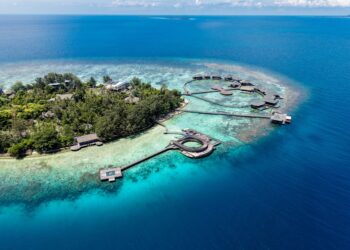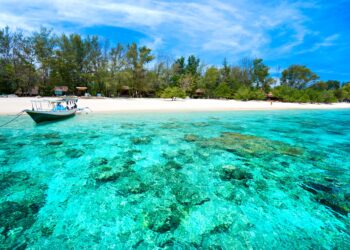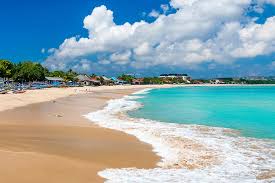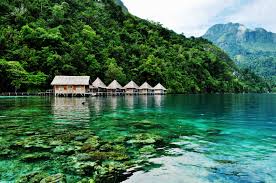

Apo Island is a small volcanic island situated in the province of Negros Oriental in the Philippines. It lies roughly seven kilometers off the southeastern edge of Negros Island, within the waters of the Sulu Sea. The total land area of the island is about 74 hectares. Its main beach, measuring close to 300 meters in length, is found along the eastern coast and is composed of white to light grey coral sand. The sea in this area is generally calm and clear making it suitable for snorkeling and diving activities.
Administratively, Apo Island forms part of the municipality of Dauin. It has been declared a protected marine sanctuary and is managed under regulations set by the Department of Environment and Natural Resources together with the Protected Areas Management Board. These authorities implement no-take fishing zones and basic visitor rules in order to maintain the island’s marine life and coral systems.
The island is well known among divers, snorkelers, and eco-tourism visitors, as it is regarded as one of the earliest community-managed marine reserves in the country. Development on the island has remained minimal over the years. Accommodation options are limited to small, locally run places, and there is no presence of large infrastructure or resort-style construction. Apo Island is accessible from Dumaguete City, located at a distance of around 25 kilometers, which makes short day visits possible for many travelers.
Fun Fact About Apo Island
Apo Island has one of the oldest marine sanctuaries that was managed by the local people themselves. It was started in the year 1982, when local fishermen worked together with Silliman University for protecting the nearby reef area. Around 22 hectares of sea was declared as a no-take zone, where fishing was not allowed at all. After some years, the coral reefs slowly recovered and fish numbers increased a lot, with coral cover reaching more than 70 percent in some parts. Because of this long-term success, Apo Island is often mentioned in marine conservation studies and it later became included under the Visayas Biosphere Reserve recognized by UNESCO.
History of Apo Island
Apo Island has long been settled by a small fishing population, with families depending mainly on the nearby reefs for food and daily income. The name “Apo” is commonly understood to mean “grandchild” in the Visayan language, although local stories sometimes explain it differently, linking the name to ancestral spirits or apo, meaning elders of the past.
During the 1970s, the condition of the reefs began to decline. Increased fishing pressure and destructive methods caused visible damage to the coral areas. In 1979, marine researchers from Silliman University became involved after observing the situation. Rather than imposing control from outside, discussions were held with the island residents, focusing on awareness and shared responsibility.
By 1982, a marine sanctuary was formally created by the community, making it among the earliest such efforts in the Philippines. By the 1990s, eco-tourism had started to replace fishing as a major source of income, though on a small scale.
In the early 2000s, Apo Island became better known internationally as a diving location. Visitor numbers were monitored and limited to avoid excessive pressure on the environment. In 2017, the island was officially declared a protected landscape and seascape, strengthening conservation rules and keeping development restricted mainly to a few family-operated guesthouses.
Things to Do at Apo Island
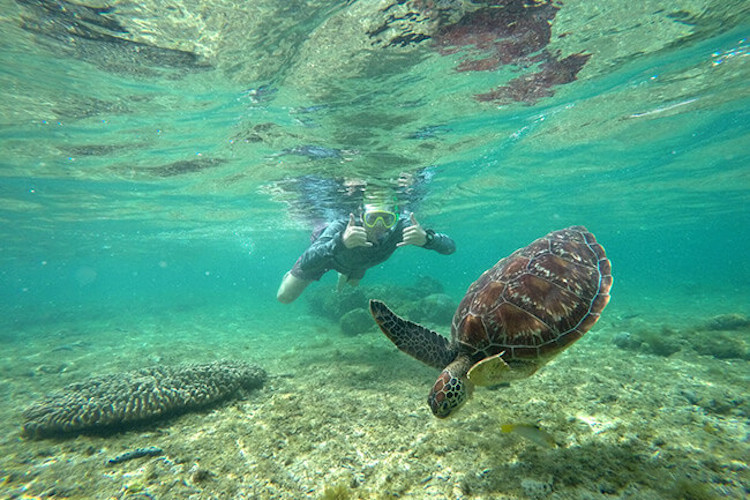
Life on Apo Island is simple and most activities are connected to the sea. Snorkeling and diving are the main things visitors do here, especially around the protected reef areas. Many kinds of fish and coral can be seen in the water, including sea turtles, and sometimes reef sharks as well. Diving is usually arranged with local guides and the cost can change depending on the site and number of people, but it is often within the usual range charged in the area.
Swimming is also common near the main beach. The water here stays shallow for a distance and waves are usually not strong, so people spend long time just in the sea. Some visitors do very little besides sitting or lying on the beach, as it is not crowded most of the time and there are coconut trees giving shade during the day.
There are a few short paths on the island that lead to the lighthouse and nearby viewpoints. These walks do not take long, maybe 20 or 30 minutes, but the view from the top is open and wide, looking toward the sea and the mainland. Boat trips can be arranged through island residents for visiting nearby reef areas or short island hopping, usually done in small groups and paid as a whole boat rather than per person.
Food is available only in small local places. Meals are quite simple and mostly seafood based, with dishes like adobo or kinilaw prepared in home-style manner. Prices are not fixed everywhere but are generally affordable. During certain months, especially from November to February, turtles may be seen coming closer to shore, and guided viewing is sometimes organized by the park authorities. Visitors who stay longer often spend time talking with residents, visiting the community area, or watching daily fishing work, which gives some understanding of island life.
Food options are limited but fresh. Small family-run eateries serve seafood dishes along with local meals such as adobo and kinilaw. Meal prices are generally modest. During the nesting months from around November to February, guided turtle watching may be possible under supervision of park staff. Visitors can also spend time interacting with the island’s small population, which is about 700 people, through simple activities like visiting the community area or observing traditional fishing practices.