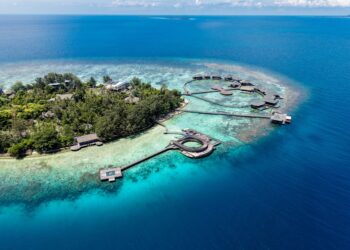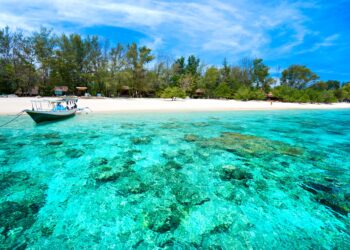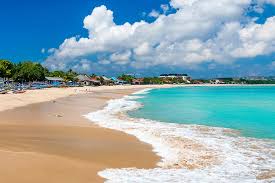

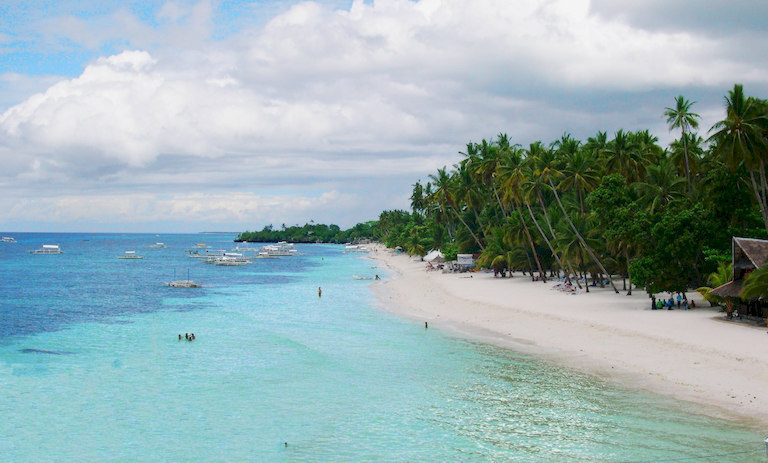
Alona Beach is a serene beach located on Panglao Island in Bohol Province, Philippines, along the south-western side of the island facing the Bohol Sea. The beach extends for nearly one and a half kilometres and has a curved shoreline made up of fine white sand. The sea in this area is generally calm and clear, with coconut palms lining much of the coast. Among all beaches on Panglao, Alona is the most developed and receives the highest number of visitors throughout the year.
The beach area lies at a distance of about twenty kilometres from Tagbilaran City and has gradually grown into the main tourism centre of the island. Resorts, dive shops, restaurants, and small bars are closely spaced along the beachfront and nearby roads. Management and monitoring of tourism activities are handled by the Panglao Municipal Tourism Office together with the Department of Tourism, particularly after the corrective measures introduced following the 2018 tourism rehabilitation.
Alona Beach is visited by all kind of travellers. Divers often stay here because of easy access to nearby dive sites such as Balicasag Island, while families prefer the shallow swimming areas close to shore. Some visitors are also drawn by evening dining and entertainment options available in the area. Due to its location roughly ten kilometres from Bohol–Panglao International Airport, the beach commonly serves as an entry point for tourists before they move on to other destinations within Bohol.
Distinctive Feature of Alona Beach
One notable aspect of Alona Beach lies in its immediate access to established dive locations within the surrounding Bohol Sea. Reef structures are present not far from the shore, while small boats regularly travel to Balicasag and Pamilacan islands, areas known for steep coral drop-offs, regular turtle presence, and large schools of pelagic fish. The central stretch of the beach includes a buoy-defined swimming zone, intended to keep boat movement separate and to allow non-diving visitors to use the water with fewer safety concerns.Historical Background of Alona Beach
Alona Beach was once a small and relatively quiet fishing shoreline used mainly by local Boholano families. Its present name is commonly linked to the visit of Filipino actress and singer Alona Alegre during the 1970s, after which residents gradually began referring to the area by her name. For many years, up to the late 1990s, the beach saw very little development and was reached mostly by small pump boats traveling from Tagbilaran, with no direct road access.
Tourism activity began to increase in the early 2000s as dive operators and simple guesthouses started operating along the coast, turning Alona into the main commercial and tourism zone of Panglao Island. After the 2013 Bohol earthquake, rehabilitation programs led to upgrades in basic infrastructure, particularly in drainage and waste control, though progress was gradual. In 2018, following broader national tourism reforms introduced after the Boracay closure, local authorities in Panglao enforced tighter rules on beachfront building and water quality monitoring. These regulations, while not without challenges, helped reduce unchecked expansion and allowed Alona Beach to retain much of its functional and visual character compared to earlier periods of rapid growth.
Activities Available at Alona Beach
Scuba diving and snorkeling
Boat trips operate daily to nearby reef areas and offshore islands. Several certified dive centers function along the beach, providing basic training, guided dives, and necessary equipment, mainly for beginners and recreational divers.
Swimming in marked beach zones
Certain sections of the shoreline are reserved for swimming, where boat traffic is restricted. The seabed slopes gradually, making these areas generally suitable for children and less confident swimmers as well.
Kayaking and stand-up paddleboarding
Non-motorized water activities are commonly practiced close to shore. The calm sea conditions for much of the year allow slow coastal exploration without moving far from the beach area.
Beachfront dining
Numerous restaurants line the central stretch of the beach, serving seafood, Filipino dishes, and international menus. Dining is usually casual, with tables placed directly on the sand in many locations.
Evening leisure and entertainment
After sunset, selected bars host live acoustic music or scheduled fire performances. These activities are concentrated in the central section and tend to end earlier than in major party destinations.
Nearby inland attractions
Short road travel by tricycle allows access to sites such as Hinagdanan Cave and Bohol Bee Farm. These locations are often combined with beach visits and require minimal planning or travel time.
Practical Recommendations
During peak months and public holidays, prior reservation is generally necessary, since lodging facilities tend to reach full capacity quite quickly.
Cash payments in Philippine pesos remain common practice in the area. Automated teller machines are present along the main beach road, though availability may vary.
Strong sun exposure throughout the day makes adequate protection important; use high-SPF sunscreen, rash guards, and preferably reef-safe products to reduce skin and environmental damage.
Before arranging diving activities, visitors are advised to confirm that operators hold valid PADI or SSI accreditation and maintain basic insurance coverage.
Accommodation in Alona Beach includes a wide range of options, from simple hostels and guesthouses to more established mid-range and upscale resorts, depending on preference and season.
Environmental regulations are enforced on the beach; feeding of marine animals is not permitted, and guests are expected to remain within marked swimming and diving zones at all times.