
Puerto Rico Flamenco Beach – Complete Visitor Guide
Introduction – Why Visit Flamenco Beach?
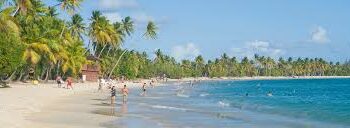
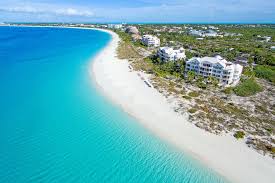
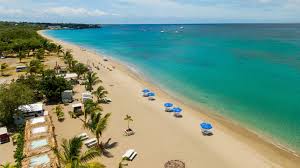
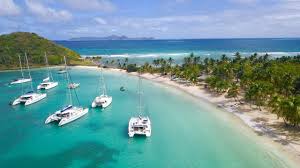
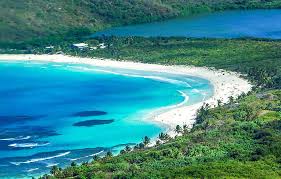
Puerto Rico Flamenco Beach is frequently listed among the finest beaches in the Caribbean and is often recognized in international travel publications for its remarkable scenery. Located on the island municipality of Culebra, this protected stretch of coastline is admired for its bright white sand, the transparent turquoise water and the broad horseshoe-shaped bay that provides favorable conditions for swimming during much of the year.
Unlike heavily developed resort destinations, Flamenco Beach has retained a largely natural setting. The shoreline is backed by the low green hills rather than high-rise hotels, giving the area a quieter atmosphere that many visitors appreciate. Although basic visitor services are available, the beach remains focused on preserving its coastal environment instead of large scale commercial development.
The destination appeals to a wide variety of travelers. Families enjoy the relatively calm water, snorkelers appreciate the nearby reefs, photographers find endless scenic opportunities and the nature enthusiasts often combine a beach visit with exploration of other parts of Culebra. For many people visiting Puerto Rico, Flamenco Beach becomes one of the highlights of the entire trip.
Location & How to Reach Flamenco Beach
Flamenco Beach is situated on the northern coast of Culebra, a small island approximately 17 miles east of mainland Puerto Rico. It forms part of the Culebra National Wildlife Refuge, an area established to protect the important coastal habitats and the marine ecosystems.
Travelers planning their journey often consult a Flamenco Beach Puerto Rico map to understand transportation options before arriving on the island. While Culebra is relatively small, planning ahead can make the visit considerably easier.
Getting There
By ferry
The most economical option is taking a ferry to Flamenco Beach by first boarding the passenger ferry from Ceiba on Puerto Rico’s east coast to Culebra. After arriving at the ferry terminal, visitors usually continue by taxi, shuttle, or rental golf cart to reach the beach. Because demand is high during weekends and holidays, Flamenco Beach ferry tickets are best reserved as early as possible.
By air
Small regional flights operate from San Juan and Ceiba to Culebra Airport. The flight is short and offers impressive aerial views of the surrounding islands.
By taxi or golf cart
Once on Culebra, taxis are readily available, while many visitors choose to rent golf carts or small vehicles to explore several beaches throughout the day.
Public parking, restrooms, outdoor showers, picnic shelters, and food kiosks are located near the main beach entrance.
What Makes Flamenco Beach Different?
Several characteristics distinguish Flamenco Beach from the many other Caribbean destinations. The sand is exceptionally fine and bright, while the protected bay generally produces calm water with excellent clarity. During suitable weather conditions, visibility beneath the surface is often very good, making snorkeling especially enjoyable.
Rocky areas near each end of the bay provide habitat for reef fish, sea fans, coral formations, and the occasionally sea turtles. Although wildlife sightings can never be guaranteed, the protected marine environment supports a rich variety of the species throughout the year.
One of the beach’s defining qualities is its natural appearance. Visitors will not find much extensive resort development directly along the shoreline, allowing the landscape to remain largely unchanged. This balance between the visitor access and the environmental conservation contributes greatly to the Flamenco Beach’s much lasting reputation.
The famous abandoned military tanks found near one section of the beach also serve as a reminder of Culebra’s history. Over time, these tanks have become unusual landmarks frequently photographed by the visitors.
Best Time to Visit
Flamenco Beach can be visited throughout the year, although weather conditions vary slightly by season.
December through April generally offers the driest weather, comfortable temperatures, and the calmer sea conditions. This is also the busiest tourism season.
May through November usually brings warmer temperatures and fewer visitors. Brief tropical showers may occur but often pass quickly.
Morning hours are usually recommended because water conditions tend to be calmer and visitor numbers remain lower.
Late afternoon provides softer lighting that many photographers prefer, while temperatures become more comfortable for walking along the shoreline.
Things to Do at Flamenco Beach
Swimming
The gently sloping shoreline and protected bay create favorable conditions for swimming during much of the year. Water is generally shallow near the shore before gradually becoming deeper farther out.
Snorkeling
Several rocky sections around the bay provide opportunities to observe tropical fish and other marine life. Visitors bringing their own equipment often find snorkeling rewarding when visibility is good.
Relaxing on the Beach
The broad stretch of the white sand offers ample space for sunbathing, reading or simply enjoying the peaceful surroundings. Even during busier periods, the beach usually feels less crowded than many resort beaches elsewhere in the Caribbean.
Photography
The contrast between white sand, turquoise sea, surrounding hills, and blue sky creates outstanding photographic opportunities throughout the day. Sunrise and late afternoon often produce especially attractive lighting.
Explore Culebra
Many visitors extend their trip beyond Flamenco Beach by exploring other beaches, scenic viewpoints and the wildlife areas across Culebra. Since the island is relatively compact, several attractions can be visited within the same day.
Travel Tips & Safety
Reef-safe sunscreen, sunglasses, lightweight clothing, and plenty of drinking water are strongly recommended, as tropical sunshine can be intense throughout the year.
Although several food kiosks operate near the beach, options may vary depending on the season and time of day. Carrying additional water and some light snacks is often useful, particularly for the longer visits.
Visitors should avoid standing on the coral reefs or disturbing the marine wildlife. Maintaining quite a respectful distance from the sea turtles and the other animals helps protect the fragile ecosystem.
Those planning to use the Flamenco Beach ferry should arrive well before departure times, especially during the weekends, holidays and the peak travel months. Advance reservations greatly reduce the possibility of delays or unavailable tickets.