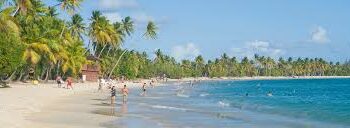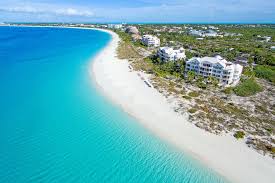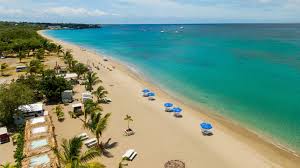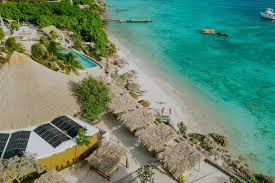

Introduction – Why Visit Caladesi Island State Park?
Caladesi Island State Park represents one of the few remaining stretches of Florida’s Gulf Coast where the nature continues to dominate the landscape. Separated from the mainland by calm coastal waters and accessible only by boat, the island has retained much of its very original character despite being located only a short distance from the busy communities of Clearwater and Dunedin. Wide white beaches, coastal forests, tidal mangroves, and diverse wildlife combine to create an environment that feels noticeably different from many of Florida’s developed shoreline destinations.
The park is often recognized among the state’s finest coastal preserves, not simply because of the beach itself but because the surrounding ecosystem has been carefully protected for decades. Visitors usually come here expecting a quiet day by the Gulf, though many leave equally impressed by the island’s natural habitats, scenic paddling routes, and opportunities to observe native birds and marine life. It is a destination that rewards those who appreciate open landscapes and slower travel rather than crowds or commercial attractions.
Location & How to Reach Caladesi Island State Park
Caladesi Island lies off the Gulf Coast in Pinellas County, positioned between Dunedin and Clearwater Beach. The state park occupies nearly the entire island, protecting its beaches, forests, and wetlands as part of Florida’s public conservation system.
Getting There
By ferry
Most visitors reach the island using the passenger ferry departing from Honeymoon Island State Park. The crossing generally lasts around twenty minutes, although schedules can vary depending on weather and seasonal demand. Advance reservations are usually worthwhile, particularly during weekends and school holidays.
By private boat
Boat owners may approach the island independently. A marina with limited docking facilities is available for day visitors, though availability is not guaranteed during busy periods.
By kayak or paddleboard
Experienced paddlers sometimes cross from nearby launch points, especially from Honeymoon Island. This option provides a different perspective of the surrounding mangrove shoreline, but should only be attempted after checking weather, tides, and water conditions.
One important characteristic of Caladesi is that no public roads reach the island. The absence of the vehicle traffic contributes greatly to its peaceful atmosphere and helps to protect the sensitive coastal habitats.
What Makes Caladesi Island Different?
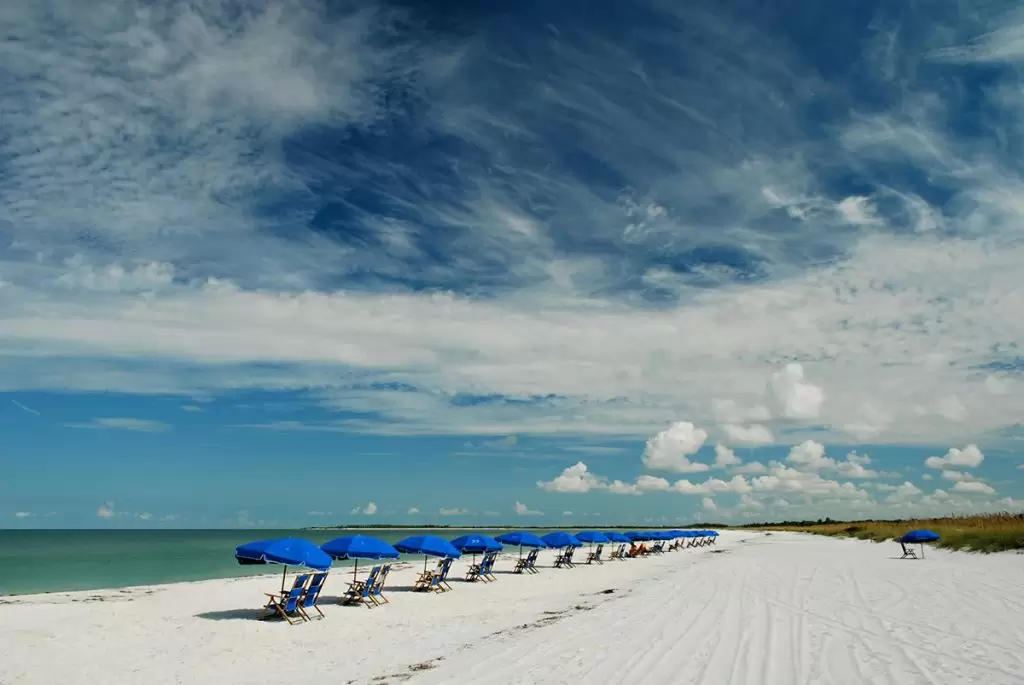
The first impression for many visitors is the remarkable condition of the shoreline. Fine quartz sand extends for several miles, creating broad open beaches that generally remain less crowded than many well-known Gulf Coast destinations. The sand is bright in color and comfortable to walk on, while the Gulf waters are often calm enough for swimming during favorable weather.
Away from the beach, the landscape changes considerably. Maritime forests, coastal dunes and winding mangrove channels form an important part of the island’s environment. These habitats support numerous species of birds, fish, reptiles, and small mammals, making the park attractive not only for beachgoers but also for wildlife enthusiasts and the nature photographers.
The protected status of the island has limited large scale development. Visitors will not find rows of high-rise hotels or extensive commercial districts. Instead, the experience remains focused on natural scenery, quiet recreation, and conservation. That combination is becoming increasingly uncommon along Florida’s coastline.
Best Time to Visit
Caladesi Island can be visited throughout the year, although conditions vary by season.
March through May generally offers comfortable temperatures, lower humidity, and pleasant beach conditions.
October and November are also popular, with milder weather and fewer visitors compared with the height of summer.
June through August brings warmer Gulf waters but also higher temperatures, greater humidity, and occasional afternoon thunderstorms.
Morning arrivals are often recommended because wildlife activity is greater, shell collecting conditions tend to be better, and ferry crowds are usually lighter.
Things to Do at Caladesi Island State Park
Enjoy the Beach
The Gulf shoreline provides ample space for swimming, walking, or simply relaxing. Because visitor numbers are naturally limited by ferry capacity, even busy days rarely feel as crowded as many mainland beaches.
Search for Seashells
Shell collecting remains one of the island’s best-known activities. After changing tides or passing storms, visitors often discover a surprising variety of shells scattered along the shoreline.
Explore the Nature Trail
A walking trail leads through sections of maritime hammock forest and coastal vegetation, offering quite a different view of the island beyond the beach. Interpretive signs along parts of the route explain the local plants and wildlife, though the conditions can occasionally be muddy after the rainfall.
Paddle Through Mangroves
The park’s mangrove waterways are among its most distinctive attractions. Kayakers and paddleboard users can explore the quiet channels where birds, fish, and other wildlife are much commonly observed. Water conditions may change with the tides, so planning ahead is much useful.
Wildlife Observation
Birdwatchers frequently visit Caladesi because numerous coastal species use the island throughout the year. Dolphins are often seen offshore, while manatees sometimes appear in warmer months. Patience is usually rewarded, although the wildlife sightings are never guaranteed.
Travel Tips & Safety
Visitors should bring sufficient drinking water, sun protection, lightweight clothing and any personal supplies needed for the day. Food services on the island are limited and seasonal, so carrying snacks or a picnic is often the better option.
Swimming should take place only where conditions are considered safe. While Gulf waters are often calm, weather can change unexpectedly, and occasional jellyfish or stingrays may be present. Walking carefully in shallow water and observing the posted notices helps reduce unnecessary risks.
Those planning to paddle should check tide schedules before departure, since the water depth within the mangrove channels changes noticeably during the day. Staying on marked trails and avoiding the disturbance to the wildlife also helps to protect the fragile coastal ecosystem that makes Caladesi unique.
During peak travel seasons, ferry tickets sometimes sell out well before departure times. Booking in advance and arriving much early generally makes the visit much smoother and allows more time to explore the island.