
Introduction: Why Praia do Julião Is Worth Visiting
Praia do Julião is actually popular as one of the most attractive beaches on the western coast of Ilhabela situated in very the state of São Paulo. Although it is relatively quite small when compared with some of the island’s larger beaches, it consistently ranks among the favorites of both residents and visitors because of its clear water, peaceful atmosphere, and beautiful natural surroundings.
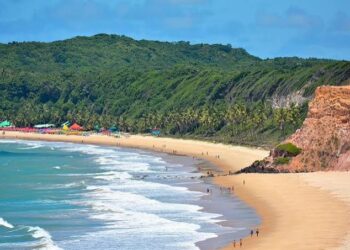
Unlike the wild beaches found on Ilhabela’s eastern coastline, Praia do Julião is easy to reach and offers a much calmer environment. The sea is usually protected from stronger Atlantic swells, resulting in gentle water that is suitable for swimming and snorkeling during much of the year. Large rock formations at both ends of the beach, together with the surrounding Atlantic Forest, give the area a distinctive appearance without making it feel isolated.
The beach appeals to a wide variety of travelers. Families appreciate the shallow water, couples often come for the scenery and quieter atmosphere, while photographers and nature enthusiasts enjoy the combination of tropical vegetation, granite rocks, and remarkably clear sea. Even during the high season, Praia do Julião generally feels less hectic than some of Ilhabela’s busiest beaches.
Location and How to Reach Praia do Julião
Praia do Julião lies on the western shoreline of Ilhabela, roughly halfway between the ferry terminal and the southern beaches of the island. It is located close to Praia Grande and Praia da Feiticeira, making it easy to include several beaches in a single day if desired.
Ways to Reach Praia do Julião
By car
Driving is the most convenient option for the many visitors. The beach can be reached using the island’s main paved coastal road, and parking areas are available near the entrance. During weekends and holiday periods, however, spaces may become limited relatively early in the day.
By taxi or ride-share
Taxis and ride-sharing services operate throughout Ilhabela and provide direct access to the entrance path leading to the beach. Travel times from the ferry terminal usually range between fifteen and twenty minutes, depending on traffic.
By public bus
Local buses serving the southern part of the island stop close to Praia do Julião. From the bus stop, visitors only need to walk a short distance before reaching the access trail.
On foot
Those staying nearby often choose to walk. The short trail leading from the roadside to the beach passes through native Atlantic Forest and is generally easy to follow, although comfortable footwear is still recommended because some sections may become slippery after rainfall.
Unlike some remote beaches elsewhere on Ilhabela, no specialized vehicle or lengthy hike is necessary to visit Praia do Julião.
What Makes Praia do Julião Different
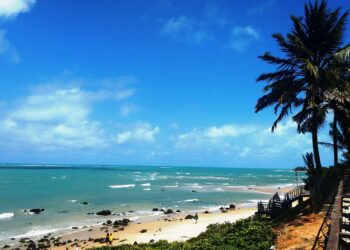
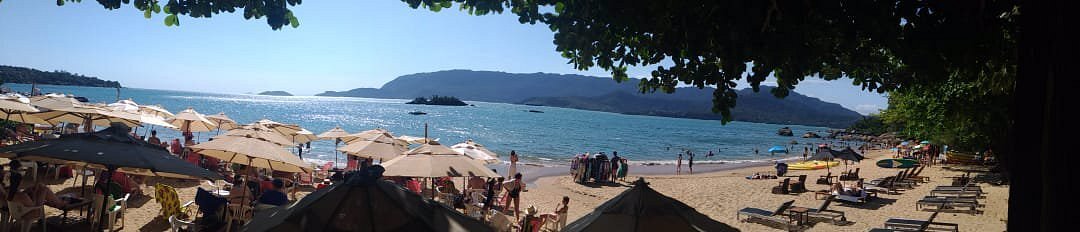
One of the beach’s greatest attractions is the remarkable clarity of its water. On sunny days, shades of blue and green become especially vivid, allowing the visitors to see the sandy bottom and the rocky formations beneath the surface with surprising ease.
The beach itself is relatively compact, which creates quite a welcoming atmosphere without feeling overcrowded for most of the year. Granite boulders frame portions of the shoreline, adding character to the landscape while also providing excellent spots for photographs and quiet relaxation.
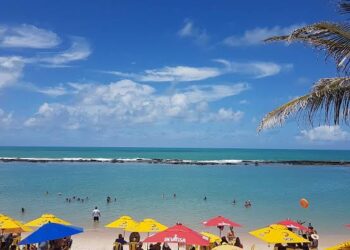
Another reason many travelers return is the calm sea. Since the western side of Ilhabela receives greater protection from ocean swells, conditions are often suitable for swimming, floating, snorkeling and the paddleboarding. Small fish are frequently visible around the rocks, making tue nderwater exploration enjoyable even for beginners.
Despite its popularity, Praia do Julião has managed to retain much of its natural charm. Native vegetation extends close to the shoreline, and the surrounding forest contributes both shade and a pleasant tropical setting. The overall atmosphere feels relaxed rather than heavily commercialized, something that many visitors value.
Best Time to Visit Praia do Julião
December to March
Summer brings much warm temperatures and quite ideal beach weather. This is also the busiest season, particularly during weekends, school holidays, and festive periods.
April to June
Many travelers consider these months particularly enjoyable because temperatures remain comfortable while visitor numbers become noticeably lower.
Morning
Early mornings generally provide calmer water and a quieter atmosphere. Arriving before midday also makes it easier to secure parking and choose a good place on the beach.
Things to Do at Praia do Julião
Swimming
Swimming is among the beach’s biggest attractions. The calm water and the gradual entry into the sea make it suitable for visitors of the different ages, although the conditions should always be assessed before entering the water.
Snorkeling
The rocky sections near both ends of the beach create favorable conditions for observing marine life. Small tropical fish are commonly seen around these areas, and visibility is often excellent when the sea remains calm.
Stand-Up Paddleboarding
During periods of light wind, the protected water becomes suitable for stand-up paddleboarding. The relatively gentle conditions make it enjoyable even for those with limited previous experience.
Photography
Praia do Julião offers attractive scenery throughout the day. The contrast between the granite rocks, tropical vegetation, and clear water produces numerous opportunities for landscape photography, especially during the early morning and late afternoon.
Dining
A small number of beachfront kiosks and restaurants serve fresh seafood, traditional Brazilian dishes, snacks, and cold beverages. Dining with views of the ocean is part of the experience, and many visitors remain for lunch before continuing to other beaches nearby.
Travel Tips and Safety
Bringing sunscreen, drinking water, a hat, sunglasses, and lightweight footwear is advisable, particularly during the warmer months. Visitors interested in snorkeling may wish to carry their own equipment, although rentals are sometimes available elsewhere on the island.
The beach offers basic visitor facilities, but they are more limited than those found at larger urban beaches. Carrying a small amount of cash can occasionally be useful, even though many establishments now accept electronic payment methods.
Although sea conditions are usually gentle, swimmers should continue to exercise normal caution and pay attention to any advice provided by local authorities or lifeguards. Children should remain supervised while in the water.