
Introduction – Why Praia da Mutá Stands Out
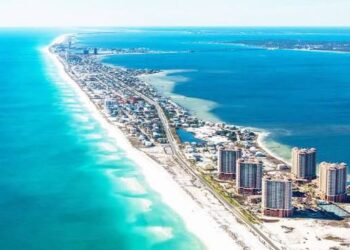
Praia da Mutá is situated in the municipality of Santa Cruz Cabrália, along Bahia’s well-known Discovery Coast, and is quite frequently regarded as one of the quieter beaches in the region. In contrast to the busier stretches of coastline near Porto Seguro, Mutá presents a slower rhythm of life and quite a noticeably more relaxed atmosphere.
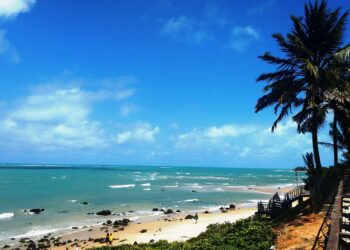
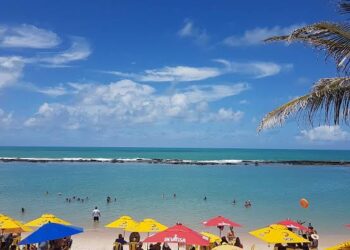
The beach is especially appreciated for its calm, transparent waters and extensive reef formations located offshore. During low tide, these reefs create natural pools where visitors can safely swim, observe small marine species, or simply enjoy the warm water. Because of these conditions, the beach has become particularly popular with families travelling with children, older visitors and those who prefer tranquil seaside environments rather than loud entertainment-oriented beaches.
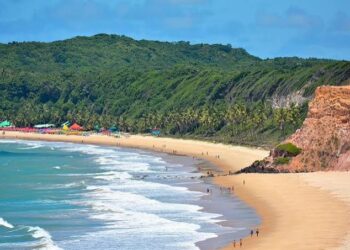
Another characteristic that distinguishes Praia da Mutá is its scenery. Long sections of soft sand are lined with coconut palms, while the sea generally remains shallow for a considerable distance from the shore. Despite increasing tourism in the wider Porto Seguro region, the beach still retains a distinctly local atmosphere.
For travellers seeking a combination of comfort, scenic beauty, and calm swimming conditions, Praia da Mutá often proves to be a very satisfying destination.
Location and How to Reach Praia da Mutá
Praia da Mutá lies approximately 30 kilometres north of Porto Seguro and only a short distance from Coroa Vermelha. Although it faces the open Atlantic Ocean, coral reefs situated offshore provide natural protection against stronger waves.
Access to the beach is relatively uncomplicated, making it much suitable both for independent travellers and the organized excursions.
By Car or Ride Share
Driving from Porto Seguro is probably the easiest option. The journey generally takes between 35 and 45 minutes, depending on the traffic conditions. Roads are paved and signposted reasonably well, so navigation is rarely difficult.
Ride-share services and taxis are widely available throughout Porto Seguro and Santa Cruz Cabrália.
By Public Transport
Local minibuses and regular buses connect Porto Seguro with Santa Cruz Cabrália and nearby coastal communities. These services operate frequently during the day and represent an economical means of transportation.
Organized Excursions
Many tourism agencies based in Porto Seguro include Praia da Mutá as part of day itineraries that also visit Coroa Vermelha and other beaches nearby. Such tours may be convenient for visitors with limited time.
Travellers staying in Arraial d’Ajuda can reach the area by first crossing the ferry to Porto Seguro and then continuing by road.
Parking facilities exist close to the principal beach access points and beach bars, although finding a space can become somewhat difficult during weekends, holidays, and the peak summer period.
What Makes Praia da Mutá Unique?
Perhaps the most important feature is the presence of coral reefs extending parallel to the shore. At the low tide, these reefs form shallow natural pools filled with clear water and small fish. The pools create conditions that are ideal for relaxed swimming and casual snorkeling, even for people with little experience in the water. As a result, the landscape continues to feel open and natural.
Because wave action is usually gentle, the beach is often recommended for families, beginners learning water activities, and travellers seeking rest rather than adventure.
Best Time to Visit Praia da Mutá
Warm temperatures prevail throughout the year along this section of the Bahian coast, although certain months tend to offer more favorable conditions.
September to March: Usually provides sunnier weather and better water clarity, particularly useful for snorkeling.
December to February: Marks the busiest season, with the increased visitor numbers and quite a more lively atmosphere.
Low tide periods: Strongly recommended for anyone wishing to explore the reef pools.
Morning hours: Often bring calmer seas, softer sunlight and fewer people.
Weekdays: Generally quieter than weekends, sometimes considerably so.
Checking local tide tables before visiting is advisable, since much of the beach’s appeal depends on tidal conditions.
Things to Do at Praia da Mutá
Swimming and Relaxation
The protected waters are the principal attraction. Many visitors spend several hours simply swimming, floating, or relaxing near the shoreline. The sea remains shallow in many areas, which contributes to the beach’s reputation as a family destination.
Exploring Natural Pools
At low tide, numerous natural pools emerge among the reefs. These shallow areas allow the visitors to observe tropical fish and the other marine life in clear water without needing any advanced snorkeling skills.
Snorkeling equipment can usually be rented from the local vendors, though the availability may vary by the season.
Walking Along the Shore
The long sandy coastline is suitable for leisurely walks. Early morning and late afternoon are particularly pleasant times, when temperatures are milder and the light becomes softer.
Photography
Photographers often appreciate the changing colors of the sea, reflections in the tidal pools, traditional fishing boats and rows of coconut palms bordering the beach. Conditions around sunrise and sunset can be especially attractive.
Dining by the Sea
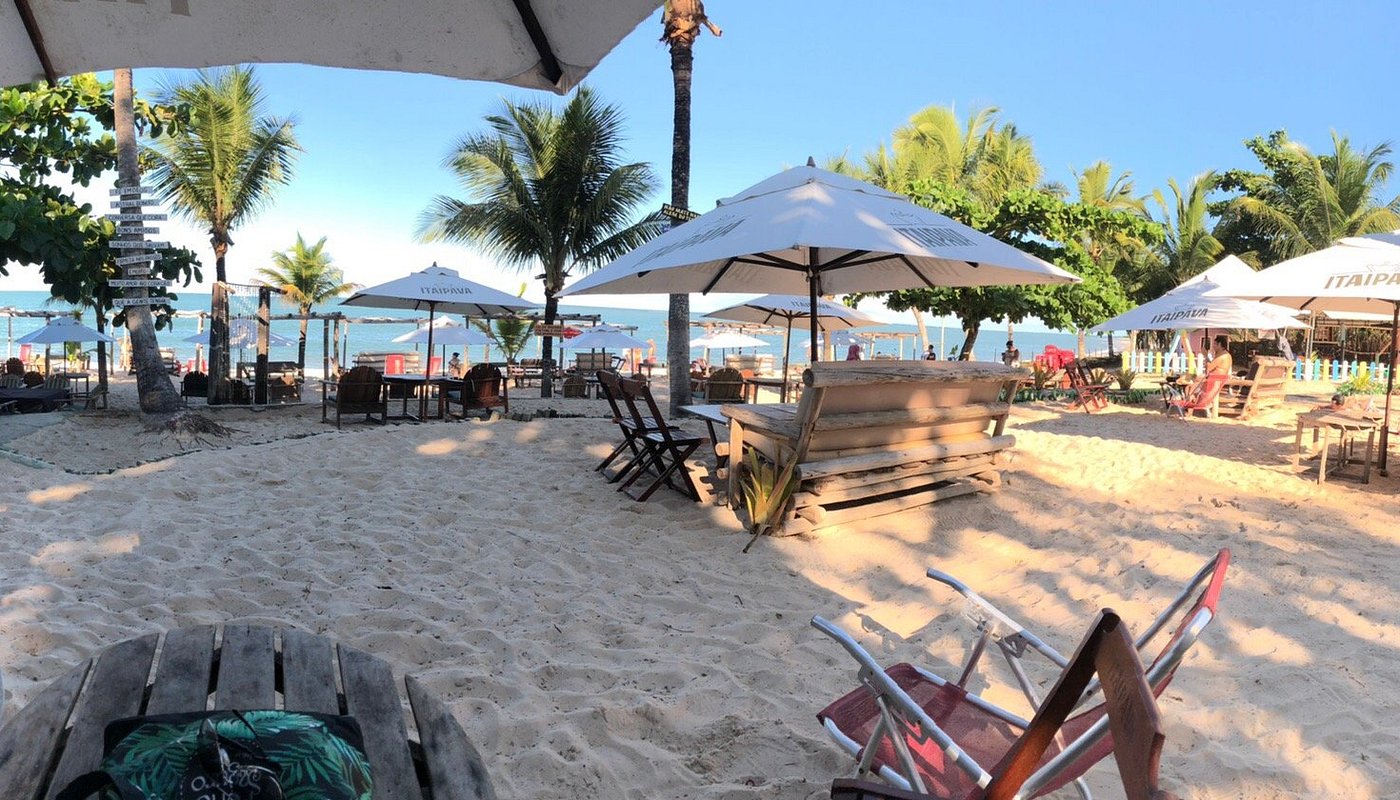
Several beach barracas operate along the waterfront, serving seafood dishes, regional Bahian cuisine, snacks, and tropical beverages. Moqueca, grilled fish, and acarajé are among the dishes frequently available.
Many establishments provide shaded seating areas facing the ocean, allowing visitors to remain comfortably at the beach for most of the day.
Travel Tips and Safety
Because of intense tropical sunlight, sunscreen, hats, sunglasses, and adequate hydration are strongly recommended.
Water shoes may also prove useful when exploring reef areas, as rocks and the coral fragments can occasionally be sharp underfoot.
Although Praia da Mutá is generally regarded as safe and welcoming, visitors should continue exercising normal precautions with personal belongings.
Environmental preservation remains important. Walking directly on living coral should be avoided, and all the waste should be removed or disposed of responsibly.
Arriving relatively early, especially during weekends and holidays, usually provides a better choice of parking spaces and seating areas.