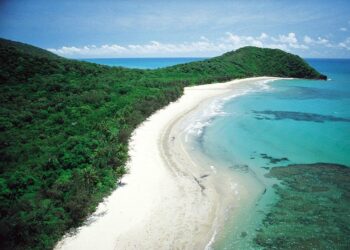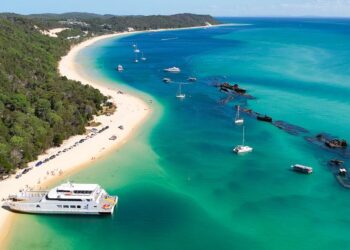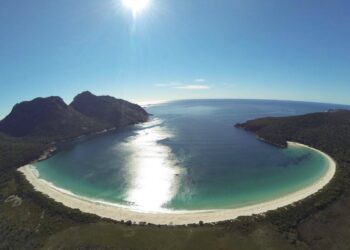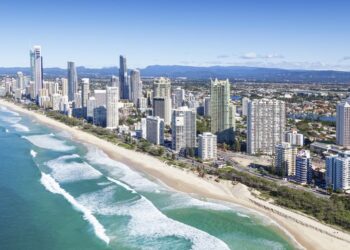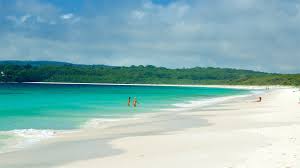

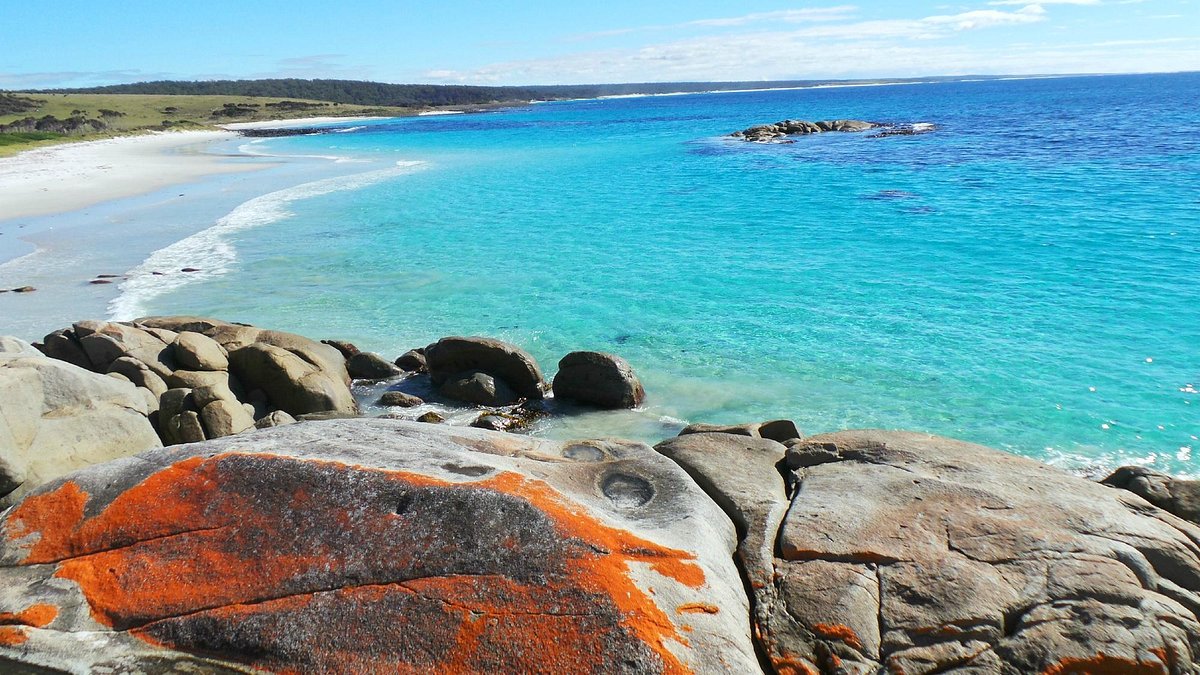
Bay of Fires extends along the northeast coast of Tasmania, covering a series of largely untouched bays from Binalong Bay in the south to Eddystone Point in the north. This conservation region is notable for its bright white sand beaches, clear blue waters and, striking granite boulders marked with quite vivid orange lichen. What makes it different from many other Australian beaches is its undeveloped, natural character, there are no high rise buildings, commercial complexes, or major infrastructure to disturb the landscape, preserving a sense of wildness within the protected national park and conservation zones. The name comes from English navigator Tobias Furneaux, who in 1773 observed Aboriginal fires along the shore, and the area has since been recognised as one of the world’s most remarkable coastal locations.
The beaches are very suitable for families seeking safe swimming and picnic areas, couples wanting quiet, scenic sunsets, and nature enthusiasts interested in coastal walks and wildlife.Activities like snorkelling, diving, and hiking are common draws, while those seeking a quiet getaway may enjoy the tranquil setting and straightforward access to the nearby marine park.
Location & How to Reach
Bay of Fires sits on Tasmania’s east coast, with its southern area close to Binalong Bay and the northern part stretching into Mount William National Park. The nearest town is St Helens, about 10 minutes’ drive from Binalong Bay, while Launceston is approximately 2–3 hours away and Hobart about 4 hours.
The recommended route from St Helens follows the coastal road north to Binalong Bay and continues into the conservation area. From Launceston, the Tasman Highway leads east to St Helens, after which the road continues north. Travel time from Launceston is usually 2–3 hours on sealed roads.
A car is necessary for visiting, as public transport does not reach the conservation zones. Some areas require park entry fees, payable at self-service booths, and parking is available at beach access points. The coastal paths are generally bike-friendly. While rideshares from St Helens are possible, most visitors prefer to drive themselves.
Best Time to Visit
The most suitable period to go is during spring (September to November) or autumn (March to May), when temperatures are generally from the mid-teens up to mid-20s °C, humidity is low, and rain is less frequent. These conditions make swimming, hiking, and exploring the coast comfortable. The weather usually stays sunny and mild, making it good for outdoor activities without the very hot days of summer or the cooler winds in winter.
Visitor numbers are generally lower on weekdays and outside school holiday times, although long weekends at well-known places such as Binalong Bay may still appear somewhat busy. During summer, the water tends to be warmer, but there are more visitors and at times stronger winds, whereas winter brings quieter surroundings, shorter daylight hours, and cooler conditions.
What Makes This Beach Special
Bay of Fires is recognised for its fine white sand, largely formed from quartz, which gives it a soft texture that may produce a slight squeaking sound when walked on and usually remains cool even in warmer weather. The water is very clear, with noticeable turquoise colouring, and even small ripples in the shallow and sheltered bays can be seen without much difficulty. Granite headlands in the surrounding area reduce the strength of incoming waves, so the sea generally remains calm, which makes it more appropriate for simple swimming rather than surfing activities.
The natural setting includes large granite boulders with orange lichen on their surface, low sand dunes covered with coastal vegetation, and broad, undeveloped stretches of shoreline without cliffs or built structures, only open sand backed by protected bushland and marine zones. This conservation region maintains a more natural coastal character, and dolphins are at times observed moving close to the shore.
Things to Do
Swimming in the clear and generally calm water is often considered one of the main activities, with entry areas that are suitable for different age groups. Water-based activities are not very intense; some visitors take part in kayaking or paddleboarding within the sheltered bays, while others may try snorkelling or diving around reef areas, corals, and certain underwater formations.
Photography is given importance at this location, especially during early morning or later in the day, when the orange-coloured rocks appear in contrast with the white sand and turquoise water. Walking along the beach or following coastal tracks can provide both physical activity and extended views of the surroundings.
Meditation or yoga is sometimes practiced on the sand or near the rocks, where the sound of waves remains gentle. There are no cafés directly at the beach, but picnic facilities are present, including shelters, tables, and barbecue arrangements. Other activities may include observing birds, fishing from rocky areas, exploring nearby coastal paths for wider viewpoints, or simply sitting quietly while noticing the changes in light on the lichen-covered rocks. Dolphin sightings are also reported at times adding to the overall experience of the place.
Travel Tips & Safety
There are no lifeguards present on the beaches, so swimming should be done carefully and within one’s own limits, as currents and rips may sometimes occur, especially near rocky sections. The sea usually remains quite calm, however it is still important to check local conditions and any warning signs before going into the water. The area is generally kept clean to a good standard, largely because of conservation management and the practice of not leaving waste behind.
Visitors are advised to carry items such as sunscreen, hats, insect repellent, reusable water bottles, some food, and a bag for waste. Payment for any required fees may need cash or card. It is also better to have proper footwear for walking on trails, and to check the weather forecast in advance, as wind conditions can change rather quickly.