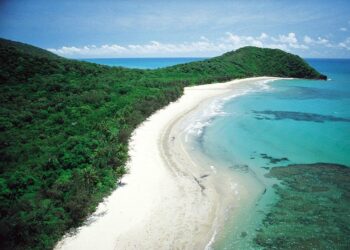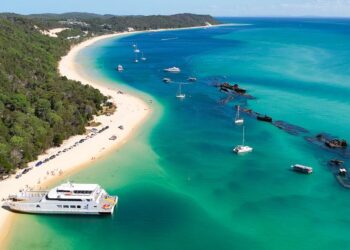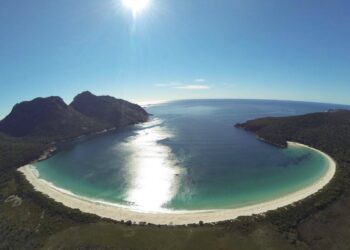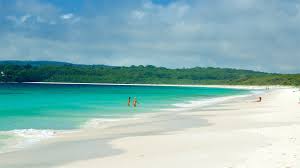

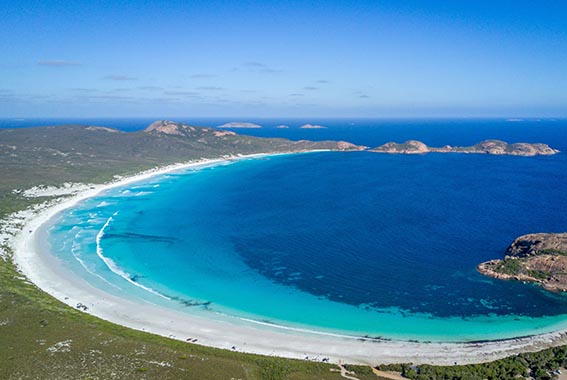
Lucky Bay is situated inside Cape Le Grand National Park along the southern coast line of Western Australia at quite a distance of roughly 50 km to the east of Esperance. The beach is often regarded among the well-known coastal stretches in Australia, noted for its very white sand, clear turquoise water, and the frequent presence of kangaroos resting along the shore. What makes this place somewhat different is its natural and protected condition, where there are no shops, cafés, or built structures, and the surroundings remain mostly undisturbed, with sand dunes, granite headlands, and a wider landscape that reflects the raw character of the Esperance coast.
The location is considered suitable for different kinds of visitors. Families may find it appropriate due to the open space and relatively calm swimming areas, along with places for picnics. Couples may find the place suitable for quieter time, particularly during sunset hours when the number of visitors becomes less. It also draws people who have interest in nature, since kangaroos are often seen resting on the sand and there are a few walking tracks in the nearby areas. Some visitors engage in activities like kayaking, snorkelling or short-distance walks, while others mostly come for photography or to spend time in a more isolated and undisturbed coastal environment.
What Makes This Beach Unique
Lucky Bay is known for its very fine white sand, which is formed from high-purity quartz and gives a soft, powder-like feel underfoot. It may be observed that the sand gives a faint squeaking sound when one walks over it, and it generally does not become very hot even in warmer conditions. The water is quite clear, with noticeable turquoise colour, and small formations or patterns in the shallow sections can be seen rather easily. As the bay is enclosed to some extent by granite headlands, the sea usually remains calm, with less wave movement, which makes it more appropriate for simple swimming activities instead of surfing.
The natural setting is characterised by large granite rocks and headlands, along with low sand dunes covered in coastal vegetation. In this area, cliffs and palm trees are generally absent, and the surroundings resemble a more common form of Australian coastal terrain, with open stretches that continue in the direction of Little Hellfire Bay. One more feature that is often noted is the presence of kangaroos, which may be seen walking about or at times resting on the sand. This aspect gives the place a certain distinction, and it is one of the reasons the beach is photographed quite frequently in different parts of the country.
Things to Do
Swimming is commonly regarded as one of the main activities, as the water remains clear and relatively calm, with shallow entry areas that can be used by different age groups. Water-based activities are present but not highly intense; some visitors engage in kayaking or paddleboarding within the sheltered part of the bay, while snorkelling is sometimes done near the rocky sections where smaller reef formations can be observed.
Photography is often given importance at this location, especially during the early morning or later part of the day when the light conditions tend to be more suitable. Walking along the beach, or moving further along the coastal track in the direction of Little Hellfire Bay, can provide some level of physical activity along with wider views of the surrounding area.
Quiet activities such as sitting, meditation, or light yoga are also carried out by some visitors, either on the sand or near the rock areas, where wave sounds remain soft. There are no food outlets directly at the beach, however, picnic arrangements are available within the park area, including shelters, tables, and barbecue facilities.
Other activities may include short walks along nearby trails for elevated viewpoints, observing birds in the area, or spending time in a resting manner while watching changes in light across the granite surfaces. Sightings of kangaroos are sometimes noted, more frequently during early morning or later evening periods, though it is not certain on every visit.
Travel Tips & Safety
There are no lifeguards present at the bay, so swimming should be done with care and within personal limits, as currents may sometimes become slightly stronger near the headland areas. Although the water is usually calm, it is still necessary to check the conditions before entering. Cleanliness in the area is generally maintained well, mainly due to national park regulations and visitor behaviour.
Visitors are expected to carry basic items such as sunscreen, hats, insect repellent, reusable water bottles, some snacks, and a bag for waste so that no rubbish is left behind. Payment for park entry may require cash or card, depending on the system in place. Footwear that is suitable for uneven ground is advisable if walking along the coastal trail, and checking the weather forecast is important, as wind conditions can change quite quickly.
The natural surroundings should be respected by staying on marked paths and avoiding disturbance to kangaroos or other wildlife. In certain areas, driving on the beach is allowed, but it is better to remain on firm sand and follow the posted signs.
Best Time to Visit
The more suitable time to visit is usually during spring, from September to November, or in autumn, between March and May. In these periods, temperatures are generally around the mid-20s °C, humidity remains lower, and rainfall is less frequent, which makes conditions comfortable for swimming, walking, and observing wildlife. The weather is mostly mild and sunny, allowing outdoor activities without the stronger heat of summer or the cooler winds of winter.
Visitor numbers are lower on weekdays and outside school holiday periods, although the park may become somewhat busy during long weekends. In summer, from December to February, the water becomes warmer, but there are more visitors and afternoon winds can be stronger. Winter months tend to be quieter, though the days are shorter and the water feels cooler.