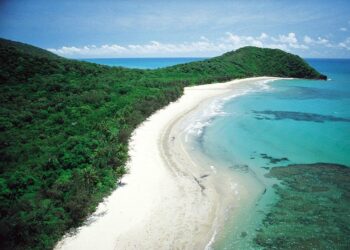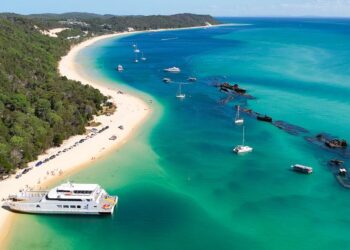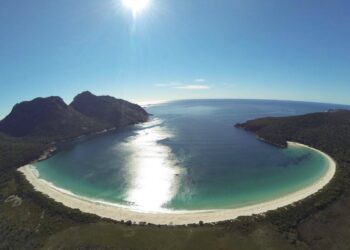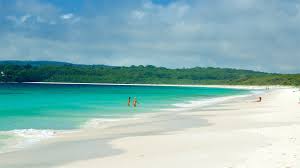

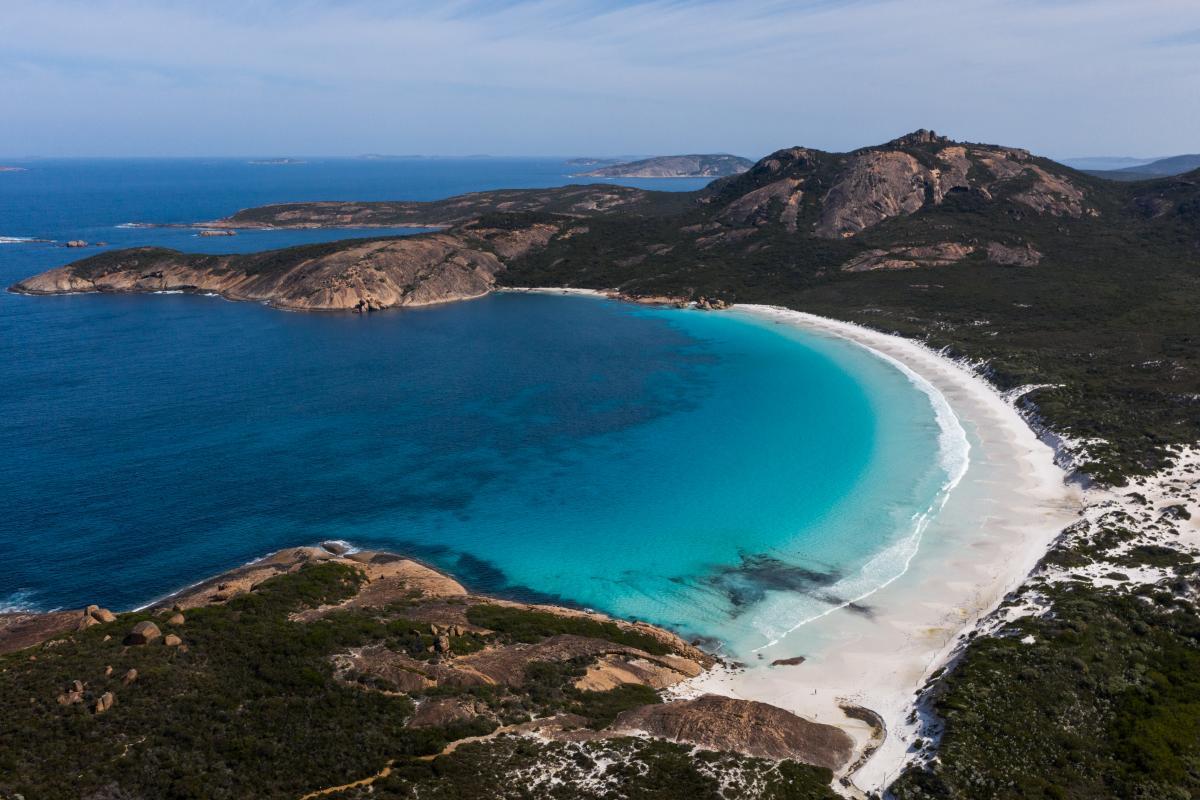
Hellfire Bay lies inside Cape Le Grand National Park, at a distance of about one hour by road to the east from Esperance in Western Australia. The place is somewhat isolated, and it is counted among the important coastal sites of the park, though not always crowded. The shoreline has very fine white sand, and the water appears clear with a blue-green colour. Large granite rocks are present along the edges, forming a natural boundary which gives the bay a different kind of look.
In contrast to many developed beaches in Australia, this location does not have shops, cafés, or permanent structures. The surrounding area is kept mostly untouched, as it falls under a protected national park, so the natural setting remains largely as it is, without much change.The name “Hellfire Bay” is said to be associated with the rare occurrence of St Elmo’s fire, which was once reported in this region, though such events are not commonly observed.
The beach may be considered suitable for families, as the waters are generally calm and areas for picnics are available, though conditions can change sometimes. The area is also visited by couples who prefer more quiet surroundings, particularly in the later part of the day. People having interest in nature come here for walking routes such as the Le Grand Coastal Trail, or sometimes only to observe the coastal scenery without much activity. A number of visitors continue walking towards Little Hellfire Bay, which lies at a short distance nearby.
Those engaged in photography, or individuals who avoid crowded places, may consider this location suitable. It generally receives quite fewer visitors when compared to beaches situated closer to Esperance, so the environment remains less busy most of the time.
Best Time to Visit
The suitable period for visiting is generally during spring, from September to November, or in autumn, from March to May. During these months, temperature usually remains between about 20 to 28 °C, with less rainfall and mild sea breeze conditions. Weather stays mostly clear and stable, which is considered good for swimming and walking near the coast, without the stronger heat of summer or the colder winds that sometimes occur in winter.
Visitor numbers are lower during weekdays and outside school holiday periods, although the area may become somewhat busy during long weekends. In summer months, from December to February, the sea becomes warmer, but there is also increase in number of visitors, and at times stronger winds may develop in afternoon hours. Winter season provides quieter surroundings, however the water temperature is lower and daylight hours are shorter, which may not be suitable for all visitors.
Things to Do
Swimming is commonly done in the clear and generally calm water, where entry is gradual and suitable for different age groups, though conditions may vary at times. Water-based activities are limited in scale; some visitors use kayaks or paddleboards within the bay, while snorkelling is possible near the rocky sides where smaller reef areas can be found. Photography is often carried out, especially during early morning or late afternoon light, and walking along the beach or following the Le Grand Coastal Trail towards Little Hellfire Bay provides both movement and views of the coastline.
Quiet activities such as meditation or yoga are also practiced by some visitors, either on the sand or near the rock formations, where wave sounds are present. There are no cafés or food outlets at the site itself, however picnic facilities are available within the park, including shaded areas, tables, and barbecue points. Other simple activities include walking along nearby trails for elevated viewpoints, observing birds, or sitting for extended time while the light changes across the granite surfaces.
What Makes This Beach Unique
Hellfire Bay is known for its very fine white sand, which has a soft, almost powder like texture and does not heat excessively even during the warmer periods. The water is also notably clear, showing strong blue green tones, and at times small fish may be visible in the shallow areas. The presence of surrounding granite headlands provides a form of shelter to the bay, so wave activity remains limited, making it more appropriate for calm swimming rather than surfing.
The natural setting is marked by large granite formations and headlands, along with low sand dunes that carry coastal vegetation. There are no cliffs or palm-lined shores here; instead, the landscape appears more typical of the southern Australian coast, with open views extending towards Little Hellfire Bay. As the location falls within a protected national park, development is not present, and the shoreline is kept in a largely undisturbed condition.
Travel Tips & Safety
No lifeguard service is present at the bay, therefore swimming should be done with care and within personal limits. At times, currents may become slightly stronger near the granite headlands, even though the water often appears calm. It is advised to observe the sea condition before entering, as changes can occur without much notice. The area usually remains clean, which is mainly because of park regulations and the general behaviour of visitors, though minor litter may still be seen at times.
People coming to the site should carry necessary items such as sunscreen, hats, insect repellent, water bottles that can be reused, and some light food. Carrying a separate bag for waste is also advised, so that rubbish is not left in the area. Access to the park may need a fee, payable by cash or by card, depending on what is accepted. Shoes that are good for uneven or rocky paths are recommended for anyone planning to walk along the coastal trails. Checking the weather in advance is advisable, because winds in the area can pick up quickly.
Visitors should also respect the natural environment by staying on marked paths and not disturbing the wildlife or taking shells from the beach.