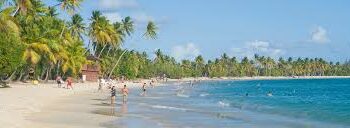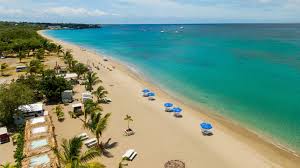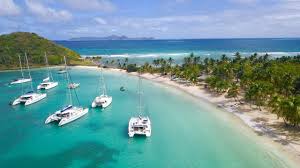

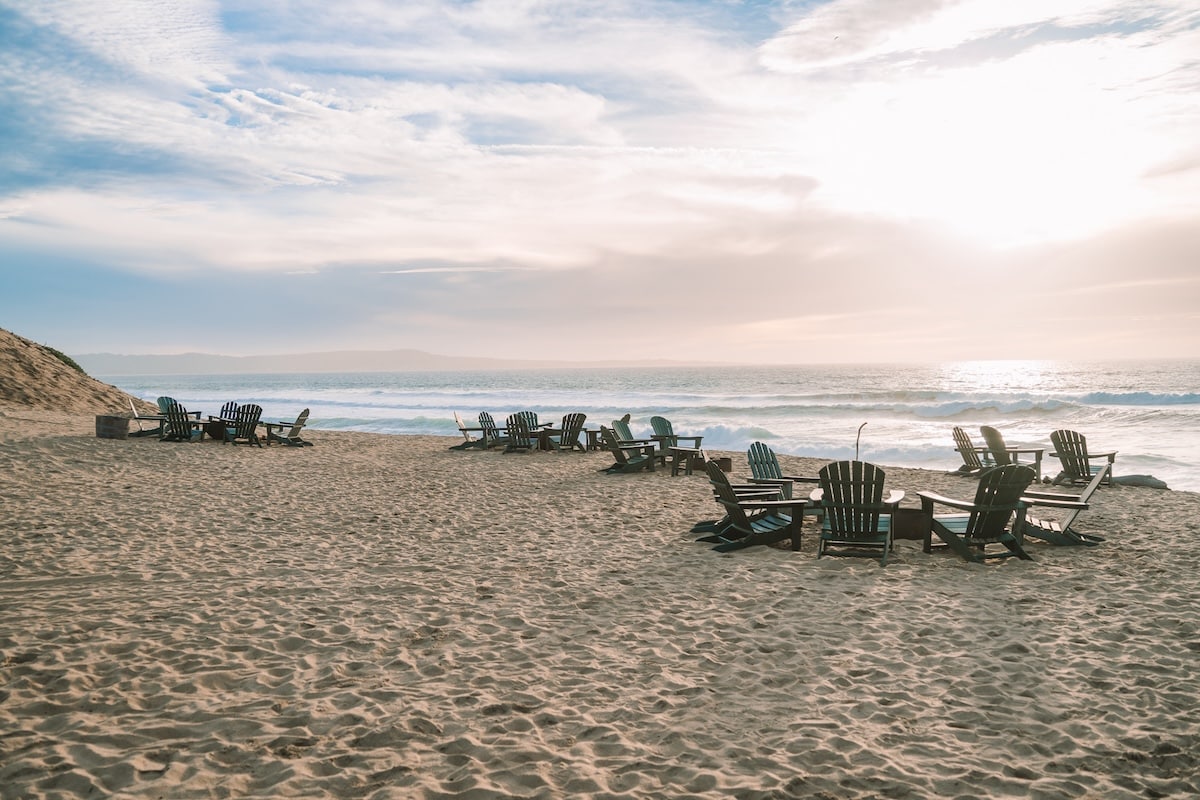
Marina State Beach is a public coastal area located in the town of Marina, within Monterey County, on the central coast of California. The beach lies several miles north of Monterey and south of Santa Cruz, stretching along the edge of Monterey Bay. It is formed by a long, open shoreline of light-colored sand, backed by natural sand dunes and low, wind-shaped bluffs. The coastline faces the Pacific Ocean directly and is often exposed to steady coastal winds, with waves that can be strong at times.
The beach is part of the California State Parks system and falls inside the protected boundary of the Monterey Bay National Marine Sanctuary, an area established to preserve marine habitats and coastal dune systems. Oversight is provided by California State Parks, with emphasis on maintaining the natural condition of the dunes and limiting overdevelopment. Compared to beaches closer to the Monterey Peninsula, this site remains relatively undeveloped and quiet. It is generally used by local residents, walkers, and visitors interested in open coastal scenery, wind-related recreation, and a shoreline that feels less altered and more exposed to natural coastal conditions.
Unique Feature of Marina State Beach
Marina State Beach is primarily noted for its extensive and still-functioning coastal dune landscape, which remains among the least disturbed dune systems along Monterey Bay. These dunes rise directly behind the shoreline and support native vegetation adapted to wind and shifting sand, forming a natural barrier between the beach and inland areas. The steady coastal winds, which are present on most days, have contributed to the use of this beach for wind dependent activities such as kite surfing and paragliding. These activities are commonly observed, especially during periods of stronger afternoon winds, though conditions may vary by season.
Located close to the northern margin of Monterey Bay, the shoreline provides wide and largely uninterrupted views across the water when visibility is clear. Farther away, the form of the Santa Cruz Mountains is visible on the horizon, which adds a sense of scale to the setting. Taken together, the open beach, wind-shaped dune formations, and expansive bay outlook give the area a more exposed and undeveloped character than many other beaches found along this stretch of coast.
History of Marina State Beach
The land that is now Marina State Beach was originally home to the Ohlone (Costanoan) Native Americans for many thousands of years, who relied on the shoreline for fishing and gathering. Europeans first arrived in the 16th century with Spanish explorers, and later in the 1830s the area became part of Mexican land grants.
During the late 19th and early 20th centuries, the land was used for large agricultural ranches. In 1917, the U.S. Army established Fort Ord nearby, and the surrounding area was used as a military training ground for much of the 20th century. After Fort Ord was closed in 1994, the state acquired the land and opened it as a state beach in the early 2000s.
Since then, efforts have focused on restoring the coastal dunes and protecting the habitat, including removing invasive plants and reestablishing native dune vegetation. Today, Marina State Beach provides public access for recreation while preserving important coastal ecosystems within the former Fort Ord area.
Things to Do at Marina State Beach
Marina State Beach allows several outdoor activities that match its coastal and dune environment:
People often do kite surfing and windsurfing because the winds are steady. Some local shops rent gear and give lessons.
Walking along the beach or on the dune trails, like those in Marina Dunes Preserve, gives nice views of the bay and the dunes.
Paragliding from the bluffs above the beach is possible, but only if the person has proper training and certified equipment.
Visitors can relax on the sand or on portable chairs, though shade is mostly only near the dunes.
Picnics are allowed in certain areas near the parking lot.
Birdwatching is popular along the dunes and shore, where shorebirds, raptors, and other wildlife are often seen.
Sunset viewing from the beach or the dune overlooks offers wide views of Monterey Bay.
People sometimes go to the Fort Ord National Monument nearby for the hiking or seeing historical sites.
Swimming is not recommended because of cold water and strong rip currents. Most visitors come here for quiet beach walks and wind sports rather than swimming.
How to Get to Marina State Beach
Marina State Beach can be reached by traveling along Highway 1:
From Monterey it is about 8 miles north, taking roughly 15–20 minutes by car.
From Santa Cruz it is 30–45 minutes by car going south on Highway 1.
From San Francisco the drive is about 2–2.5 hours south via Highway 1.
Public bus service is available via Monterey-Salinas Transit, which stops near Marina; from there a short walk or taxi is needed to reach the beach.
Parking is provided in a public lot at the beach entrance, costing around $10 USD per day, payable by cash or card. The lot is small and often becomes full by mid-morning during summer months, so early arrival is recommended.
Best Time to Visit
The best times to visit Marina State Beach are generally March to May and September to November, when temperatures are mild (about 55–70 °F / 13–21 °C), crowds are smaller, and conditions are favorable for hiking and wind-related activities.
June to August is the peak summer period, with warmer weather (65–75 °F / 18–24 °C), but expect more visitors and occasional marine layer fog.
December to February brings cooler temperatures (50–65 °F / 10–18 °C) and sometimes stormy conditions, though clear days can create striking wave action along the shore.