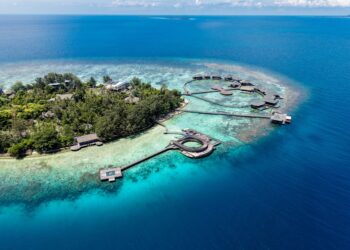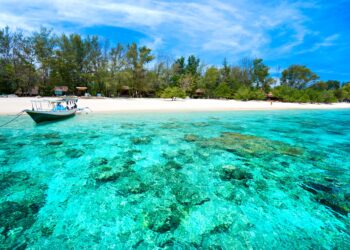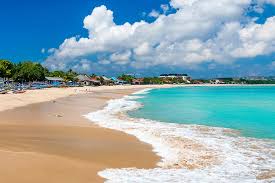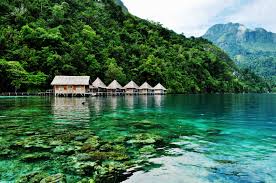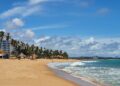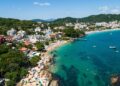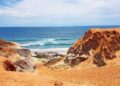

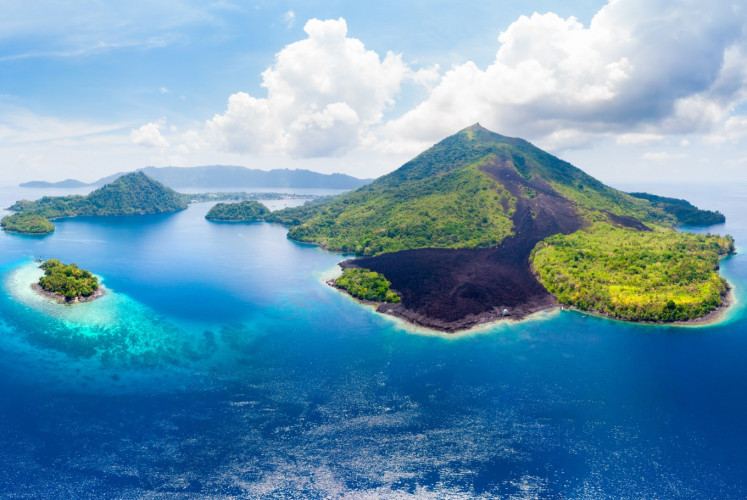
The Banda Islands are a compact chain of volcanic islands located in the Banda Sea, within Central Maluku Regency of Maluku Province, Indonesia. They lie roughly two hundred kilometers to the southeast of Ambon and at a considerable distance east of Jakarta, close to two thousand five hundred kilometers. The archipelago is made up of around ten principal islands, among which Banda Neira serves as the main administrative center, alongside Banda Besar, Gunung Api with its still-active volcano, and smaller islands such as Ai, Run, and Hatta. Coastal areas throughout the islands generally feature pale coral sand, clear blue-green water, and reefs close to shore.
Beaches like Pantai Malole on Banda Neira and the shoreline of Run Island are known for relatively calm conditions that allow swimming and snorkeling. The islands are included within the Banda Sea Marine Protected Area and are managed under the supervision of provincial tourism offices in coordination with national-level authorities, with regulations applied for marine conservation, control of visitor numbers, and long-term resource use. Owing to their remote location, the Banda Islands are more often visited by divers, historically inclined travelers, and those interested in low-impact tourism, and they continue to remain relatively uncrowded when compared with Indonesia’s more intensively developed destinations.
Fun Fact About the Banda Islands
The Banda Islands are historically significant as the original global source of nutmeg and mace spices that once held real exceptional economic value. During the seventeenth century, the competition over this trade led to conflict between the European powers most notably involving the Dutch East India Company and the British over control of Run Island. In 1667, this small island was exchanged for the Manhattan Island, a transaction that later influenced the development of New York City into a real major urban center. At present, nutmeg trees continue to grow naturally across the islands, and traces of the spice trade era remain visible in everyday food practices as well as in surviving colonial fortifications, though in some places they are no longer well maintained.
History of the Banda Islands
The Banda Islands have been settled for many centuries by local Maluku communities, who were engaged in the cultivation of nutmeg and maintained trading links with merchants from China, India, and the Arab world. Because these islands were for a long period the only known source of nutmeg and mace, they gained exceptional strategic importance from the sixteenth century onward. European involvement began with the arrival of the Portugal in 1512, and later the Netherlands, whose traders reached Banda in 1599 and gradually enforced control through the Dutch East India Company. This process involved quite violent suppression of the local population in 1621, resulting in a widespread loss of life and forced displacement, carried out to secure a strict spice monopoly. During the Napoleonic period, the United Kingdom temporarily occupied the islands, although Dutch authority was later restored and continued until Indonesian independence in 1945.
Throughout much of the twentieth century, the Banda Islands remained focused mainly on agriculture and fishing, with limited outside contact. Interest from divers, researchers, and history-focused visitors increased only in the 1990s, after more reliable transport links were established from Ambon. The 2004 Indian Ocean tsunami caused some damage in the region, though the impact on Banda was relatively small, and subsequent rebuilding brought modest improvements in facilities. In 2019, the islands were put forward for consideration as a UNESCO World Heritage site, based on their central role in global spice history and the survival of colonial-era structures. At present, local communities and authorities attempt to manage tourism carefully, combining reef protection efforts with programs aimed at preserving historical knowledge and cultural traditions, though challenges still remain.
Things to Do at the Banda Islands
Activities available across the Banda Islands reflect their marine setting and long historical background, and are generally low-impact in nature:
Snorkeling and scuba diving along the surrounding reefs, where a high variety of coral species can be observed together with turtles, reef fish, and occasionally sharks; most dives are done with local guides.
Swimming in the relatively calm and shallow coastal waters around Banda Neira and Run Island, which are suitable for relaxed bathing.
Visiting colonial era structures such as the famous Fort Belgica and Fort Nassau where the guided walks explain the overall history of the spice trade and European presence.
Hiking excursions to Gunung Api, usually with a guide, offering wide views across the islands and surrounding sea.
Short trips to nutmeg gardens on the Banda Besar where the traditional methods of cultivation and drying are still practiced.
Boat journeys to nearby islands such as Ai Island or Hatta Island, mainly for quiet beaches and additional snorkeling spots.
Eating at small local restaurants that serve freshly caught seafood, dishes flavored with nutmeg, and regional foods such as papeda made from sago.
Watching the sunset from beaches or elevated points, looking out across the Banda Sea, often in a very quiet setting.
Simple cultural exchanges with residents, including visits to traditional villages or participation in small workshops related to nutmeg and local crafts, depending on availability.
Best Time to Visit
The months from April through October are generally regarded as the more favorable period for travel, as conditions are drier and daytime temperatures usually fall between about 28 and 32 °C. From November to March, the climate shifts to the wetter season, bringing increased rainfall and humidity, although the number of visitors is lower. Even so, weather conditions in the early part of the day are frequently manageable, and mornings can still allow for outdoor and marine activities.