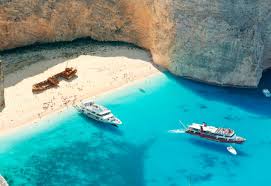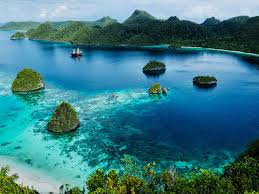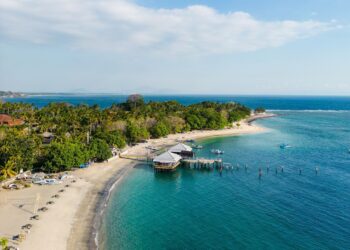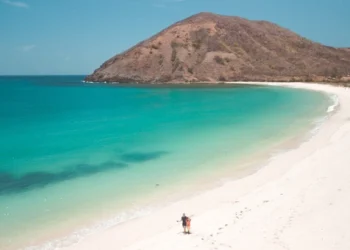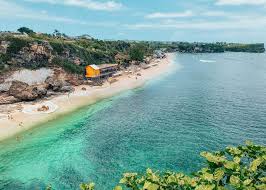

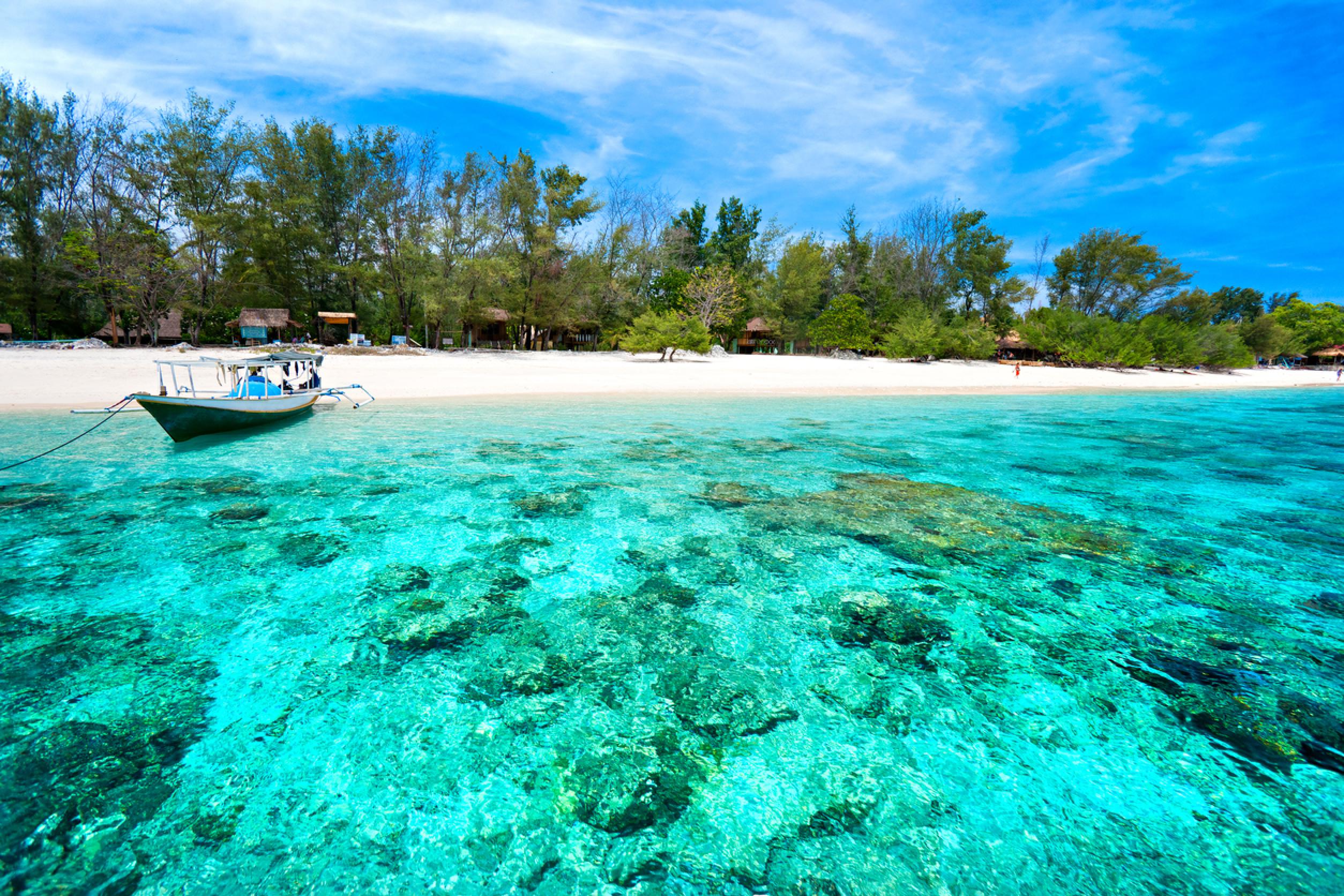
The Gili Islands consist of three small coral landmasses, Gili Trawangan, Gili Meno, and Gili Air, located just off the north-western coastline of Lombok Island, within West Nusa Tenggara Province of Indonesia. The islands lie in the Lombok Strait and are administratively associated with Gili Indah village, Pemenang District, North Lombok Regency.
Across the three islands, the shoreline is generally formed of light coral sand, accompanied by clear, shallow waters and surrounding reef systems. The reef zones around the islands allow snorkeling and diving to be carried out at different depth levels, depending on sea conditions. Gili Trawangan, measuring about six square kilometers in area, has experienced a more advanced level of tourism expansion, where accommodation facilities and leisure-related businesses are grouped along certain sections of the shoreline. By comparison, Gili Meno and Gili Air tend to retain a more restrained atmosphere, where commercial development is limited and beach sections are usually less busy and only lightly modified by tourism activity.
Administrative supervision is carried out by the North Lombok Regency Tourism Office in cooperation with the West Nusa Tenggara Provincial Tourism Authority. Their functions largely relate to marine conservation practices, management of waste disposal, and the continued application of restrictions on motorized vehicles, although the manner of enforcement can vary slightly over time. In actual practice, however, the level of control and consistency may differ somewhat depending on local conditions and time of year.
Fun Fact About the Gili Islands
One distinguishing feature of the Gili Islands is the lack of motorized vehicles as the cars and motorbikes are not permitted and movement is limited to bicycles, traditional horse-drawn carts referred to as cidomo, and walking. This policy has existed since the 1990s and has helped to limit noise and air pollution, so the islands generally maintain a quieter atmosphere and a setting that remains comparatively undisturbed, though conditions may vary at times. On Gili Trawangan, the primary route around the island is a sandy track that follows the coastline and can usually be covered by bicycle in less than one hour, depending on pace and conditions.
The islands are regularly visited by overseas divers, independent travelers, and couples who value a setting without motor vehicles, and who prefer a slower pace of island life. Access is commonly arranged by fast boat services operating from Bali or Lombok, which allows the Gilis to be included easily within broader regional travel routes. Their appeal is largely based on the combination of marine biodiversity, controlled development, and relatively simple island life, placing them among the notable destinations of Indonesia’s Lesser Sunda region.
Things to Do at the Gili Islands
Activities across the Gili Islands are mainly connected to the surrounding sea and to forms of leisure that do not require heavy development. Snorkeling and diving are carried out along the reefs that circle the islands, where sea turtles, reef fish, and occasionally small sharks may be encountered, depending on water conditions and season. Organized dive outings are available though schedules and prices can change without much notice.
The waters around Gili Meno and Gili Air are usually shallow and relatively calm, which allows for swimming by visitors of different ages. Because the land surface is flat, many people choose to move around by bicycle, either for short trips or simply to circle the island at a slow pace.
During certain periods of the year, especially in the dry season, some accommodations arrange yoga or meditation sessions close to the beach, though these are not held every day. Public boats operate between the three islands, making short crossings possible, but service frequency may vary.
Much of the time may be passed along the beach itself, where visitors sit or lie near the shore and, in certain areas, basic massage services are offered close to the waterline. Meals are available from small locally run food stalls as well as from larger dining establishments, which prepare seafood, rice-based dishes, and a small range of international items, with costs that are usually moderate, though not always fixed.
Evening conditions differ among the islands. Gili Trawangan tends to be more active after sunset, with music and beach venues, while Gili Meno and Gili Air are noticeably quieter. On Gili Meno, the small turtle conservation areas can also be visited where hatchlings may be observed prior to release, though access depends on timing and local arrangements.
Optimal Periods for Visitation
May to September constitutes the dry season, with temperatures of 27–31 °C, low rainfall, and calmer seas, providing the best conditions for diving, snorkeling, and beach activities.
October to April corresponds to the wet season, with higher rainfall but fewer visitors; mornings often remain suitable, and the islands’ reefs are less affected by waves.