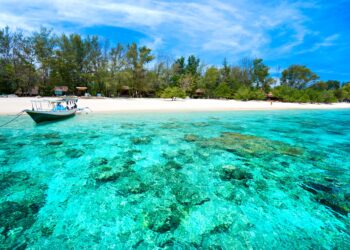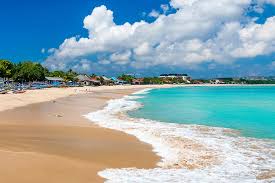

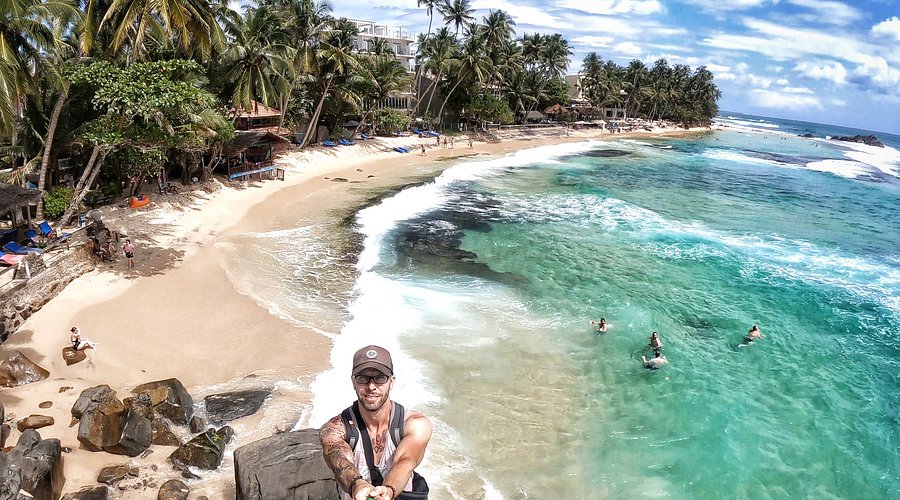
Dalawella Beach lies along the southern coast of Sri Lanka within the Habaraduwa Divisional Secretariat area of Galle District, located approximately eight kilometres to the east of Unawatuna and around four kilometres to the west of Koggala, and is generally regarded as a quiet coastal stretch rather than a major resort zone. The shoreline of the beach extends for around one to one and a half kilometres made up of fine sand ranging in colour from golden to light brown. Behind the beach lies a narrow strip of coconut palms, low coastal vegetation, and a small number of scattered guesthouses rather than dense development.
Facing the Indian Ocean, the beach experiences moderate wave activity, with steady surf conditions that are generally suitable for beginner and intermediate surfers, especially along the central and eastern portions. Offshore reef formations and minor headlands provide partial natural protection, creating sections where the sea is calmer than at more exposed neighbouring beaches, allowing for limited swimming during favourable conditions.
Administration of the area falls under the Habaraduwa Divisional Secretariat together with the Galle District Tourism Office. Their involvement is mainly related to seasonal turtle conservation efforts and routine upkeep of the shoreline, rather than large-scale tourism planning. Dalawella Beach remains lightly developed, with only a small presence of surf camps, guesthouses, and modest cafés. This restrained character helps preserve a simple, village-like setting that tends to appeal to surfers, independent travellers, and visitors looking for a less crowded option compared with nearby Unawatuna or Mirissa.
Unique Feature of Dalawella Beach
Dalawella Beach is particularly noted for the presence of traditional stilt fishermen, locally known as ritipanna fishermen, who sit on narrow wooden poles fixed into the shallow seabed. This method of fishing, which has been practiced along parts of the southern coast for generations, is most commonly observed during the early morning and late afternoon hours. The poles are set some distance offshore, roughly several dozen metres from the beach, and the sight of fishermen balancing quietly against the changing light of sunrise or sunset creates a distinctive coastal scene that is strongly associated with this area.
Things to Do at Dalawella Beach
Surfing is possible along the central and eastern sections of the beach, where steady left- and right-hand breaks suit beginner and intermediate surfers; simple lessons and board hire are arranged through nearby surf camps.
Swimming and light wading take place mainly in the more protected middle part of the bay, where the seabed slopes gently and water depth increases slowly.
Observation of traditional stilt fishermen can be done during early morning or late evening hours, particularly toward the western end of the shoreline.
Snorkelling may be attempted close to the rocky edges and small reef areas at both ends of the beach, with clearer visibility usually occurring between December and April.
Extended walks along the length of the beach are common, as the area remains largely uncrowded, especially during sunrise and sunset periods.
Resting beneath coconut palms or using a small number of sunbeds provided by beach cafés allows for quiet time with little outside disturbance.
Simple meals can be found at small, family-run food places located close to the shoreline, where seafood-based dishes, rice and curry, kottu roti, and fresh king coconut are commonly prepared at generally reasonable local rates.
On certain occasions, brief boat trips may be organised in an informal manner through nearby fishing households, allowing short visits to adjoining bays or the chance to observe customary fishing work at close range.
Short-distance travel by tuk-tuk also allows access to nearby points of interest, including the Koggala turtle hatchery, Galle Fort, and other coastal or inland locations within the wider Galle district.
Access to Dalawella Beach
From Colombo:
Dalawella is generally reached by private car or van using the Southern Expressway (E01), exiting toward Matara and continuing along the A2 coastal road. The journey usually takes about three to four and a half hours and covers roughly 140 kilometres, depending on traffic and road conditions.
By public bus:
Long-distance buses run from Colombo Fort to Galle, with travel time of around two to three hours. From Galle, buses heading toward Matara take about one additional hour. Passengers normally get down near Dalawella junction and continue by tuk-tuk for a short distance to the beach.
From Galle:
Travel from Galle town to Dalawella typically requires around forty-five minutes to one hour by car or bus along the A2 road, depending on congestion.
From Bandaranaike International Airport (CMB):
A private transfer from the airport usually takes between four and six hours. Travel time can vary according to traffic levels and the time of day.
Best Time to Visit
The most suitable period of time for visiting Dalawella Beach is generally between December and April, when the climate is bit drier, temperatures remain around 28–32 °C, rainfall is limited, and sea conditions are calmer. These months are considered favourable for swimming, surfing, and general beach use, with higher visitor presence from December to March.
From May to November, the southwest monsoon brings increased rainfall and occasionally rougher seas. Surfing conditions often remain usable during this time, and visitor numbers are lower, though swimming may be affected on certain days.
Practical Recommendations
It is advisable to make accommodation reservations in advance during the main season, as the number of available places remains relatively small and can fill without much notice.
Cash payments in Sri Lankan rupees are commonly expected; banking facilities and ATMs are found in nearby centres such as Galle or Mirissa rather than directly at the beach.
Surf lessons and board hire are best arranged through recognised local surf schools, mainly for basic safety standards and insurance reasons.
Lodging options generally vary from simple surf camps and guesthouses at lower rates to moderately priced boutique villas, depending on comfort level and season.