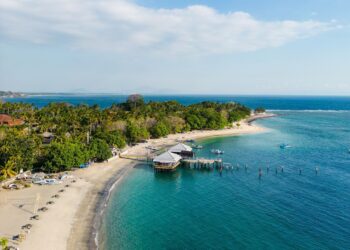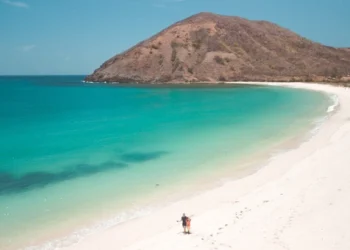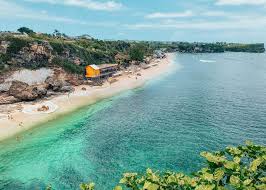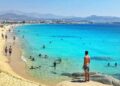

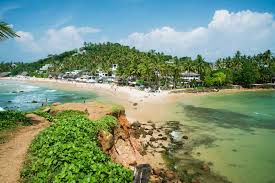
Mirissa Beach is a well-known coastal spot on Sri Lanka’s southern shore, located within the Mirissa Divisional Secretariat of Matara District, about 155 kilometers south of Colombo and 35 kilometers east of Galle. The main stretch of sand forms a gently curving bay around 1.5 kilometers long, with fine golden-to-light-brown sand and a gradual slope into the Indian Ocean, making the central area relatively safe for swimming. The eastern part of the beach is quite popular for consistent surf breaks, while the western end has calmer waters and serves as the launch point for whale-watching and dolphin-spotting excursions.
The area is overseen by the Mirissa Urban Council together with the Sri Lanka Tourism Development Authority, which have established some basic visitor rules and seasonal regulations to manage marine tourism and help preserve water quality. Mirissa acts as a central hub for tourism along the south coast, attracting both local weekend visitors from Colombo and international travelers seeking a mix of beach relaxation, water activities, and wildlife viewing. Its position along the A2 coastal road, together with nearby sites such as Weligama, Hiriketiya, and Parrot Rock, makes it a convenient base for exploring the southern shoreline.
Distinctive Feature of Mirissa Beach
Mirissa Beach is chiefly recognised as the main starting point for whale-watching tours in Sri Lanka. The deeper waters offshore, enriched by nutrient-filled currents, attract blue whales, sperm whales, and large pods of spinner dolphins. Sightings can happen throughout the year, though they are generally most reliable between November and April. In addition, the central part of the beach has consistent surf suitable for beginners and intermediate surfers, and it tends to be less crowded than the breaks at Weligama or Midigama.
Activities at Mirissa Beach
Mirissa Beach provides a variety of quiet and simple activities for visitors, mostly connected to the sea and local culture:
Whale and dolphin spotting: Boats leave early in the morning, around 6:30–7:00 am. Sightings of blue whales, sperm whales, and spinner dolphins are most likely between November and April.
Surfing: The eastern part of the beach has regular waves suitable for beginners and intermediate surfers. Basic lessons and board rentals are provided by local surf schools, mainly for beginners and intermediate surfers.
Swimming and wading: The central part of the beach also has gently sloping shallow water that goes for quite a distance so it is mostly safe for casual swimming and family use.
Snorkeling: Rocky edges and small reef patches can be explored. The water is clearest in the dry season.
Watching the sunset: The beach and nearby small hills provide unobstructed sunset views, sometimes enjoyed with refreshments like king coconut water from local cafés.
Eating: Simple beachfront stalls and small restaurants also serve seafood such as grilled fish, lobster, crab, and traditional rice-and-curry dishes.
Evening walks: Visitors often walk along the sand or visit Parrot Rock, a small islet reachable at low tide.
Short day trips: Visitors can reach nearby attractions such as the Polhena turtle hatchery, the stilt fishermen of Weligama, or Hiriketiya surf beach for a half-day or full-day excursion.
Relaxed atmosphere: The beach provides a great opportunity to enjoy both the marine and local cultural experiences in a quiet setting, generally free from large crowds.
Access to Mirissa Beach
Mirissa Beach can be reached by the southern coastal roads:
From Colombo: By private car or van, it takes about 3–5 hours using the Southern Expressway (E01) to Matara and then along the A2 coastal road for roughly 155 km.
By public bus: Travelers can go from Colombo Fort to Matara in about 3–4 hours, then continue from Matara to Mirissa by bus or a short tuk-tuk ride, taking roughly 30–45 minutes.
From Bandaranaike International Airport (CMB): By taxi or private transfer, the journey takes about 4–6 hours.
Best Time to Visit
December to April (dry season): During this time, the weather usually stays warm, roughly around 28–32 °C. Rain is low and the sea stays calm. It is generally considered the best period for whale-watching, swimming, and surfing. The busiest months tend to be December through March.
May to November (southwest monsoon): Rain becomes more frequent and the sea can get rough at times. Surfing is still possible, but whale-watching trips may sometimes be affected by the weather. Sightings of whales are still possible, though less predictable.
Practical Recommendations
Advance Planning: It is recommended to book whale-watching tours and accommodation ahead of time, especially during the peak season (December–March).
Cash and Payments: Sri Lankan rupees are widely used; ATMs are available in Mirissa town for withdrawals.
Sun Protection: Bring high-SPF sunscreen, hats, and sufficient drinking water due to strong sun exposure.
Whale-Watching Tours: Book only through licensed operators who follow marine conservation guidelines.
Accommodation Options: Choices range from budget guesthouses and surf camps to mid-range boutique hotels and villas.
Beach Features: Mirissa Beach is highly accessible and offers a variety of activities, including whale-watching, surfing, and recreational beach time.